Table of Contents
- What Is Orthopedic Massage Therapy?
- Primary Clinical Benefits of Orthopedic Massage Therapy
- Conditions Treated: From Whiplash to Carpal Tunnel
- Orthopedic Massage vs Medical Massage: Key Differences
- Massage Therapy for Musculoskeletal Imbalances and Injury Prevention
- How Often to Get Orthopedic Massage for Best Results
- Contraindications, Safety, and Post-Treatment Home Care
- Frequently Asked Questions
Last Updated: August 26, 2026
What Is Orthopedic Massage Therapy?
Orthopedic massage therapy is a clinical approach to soft tissue treatment that targets specific musculoskeletal dysfunctions, injuries, and pain patterns rather than providing general relaxation. Unlike spa-style massage, it is rooted in anatomy, biomechanics, and rehabilitative principles, with every technique applied having a defined therapeutic goal.
At Frank A. Casucci III LMT, orthopedic massage therapy has been a core practice since 2004, serving professional athletes, dancers, and active individuals who need more than a standard rubdown. The approach draws on a diverse range of therapeutic styles to address the root cause of dysfunction, not just the symptom.
What makes this modality distinct is its assessment-first structure. A practitioner evaluates posture, range of motion, tissue quality, and movement patterns before treatment, then customizes the session to the specific orthopedic pathology at hand. That clinical rigor separates orthopedic massage from general bodywork, which is why many clients arrive after years of unresolved pain.
According to the American Massage Therapy Association’s research overview, massage therapy has documented effects on pain, muscle tension, and functional recovery across musculoskeletal conditions. Orthopedic applications represent one of the most clinically developed branches of the field.
Primary Clinical Benefits of Orthopedic Massage Therapy
Orthopedic massage therapy produces measurable changes in soft tissue, joint mechanics, and neurological pain responses that map directly to specific physiological mechanisms practitioners can target with precision.
Restoring Range of Motion and Functional Mobility
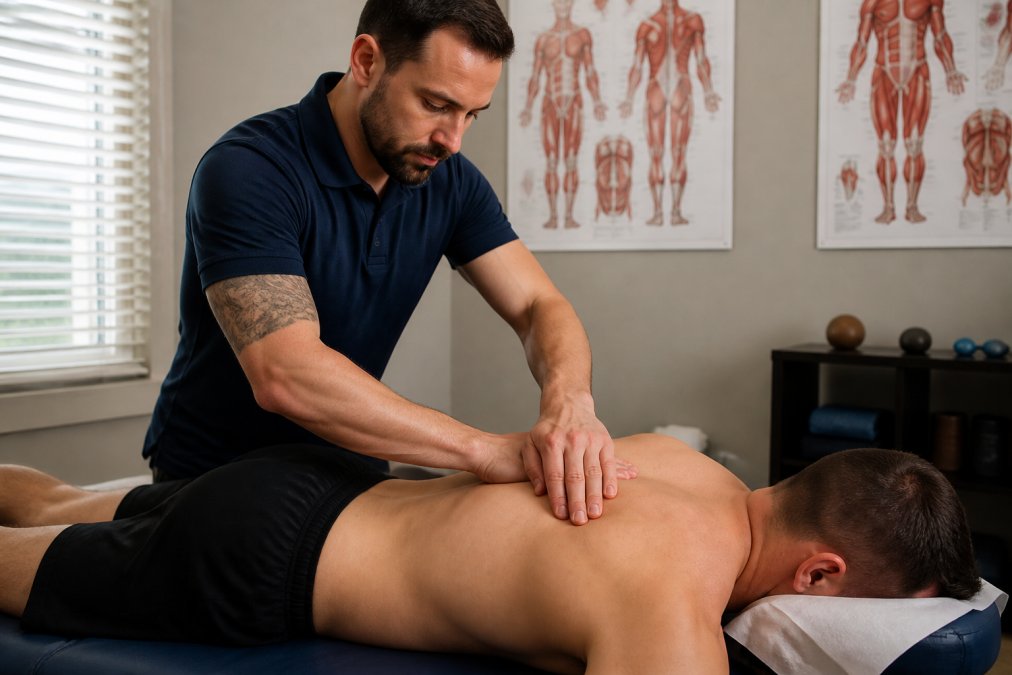
Restricted range of motion typically stems from muscle tension, fascial adhesions, and joint capsule tightness, none of which respond well to rest alone. Orthopedic massage addresses this through soft tissue mobilization and myofascial release, which break down adhesions and restore natural glide between tissue layers. Passive stretching is integrated to lengthen shortened muscles and re-educate movement patterns.
A common mistake is aggressive self-stretching without addressing underlying tissue restriction. Release must precede lengthening. For athletes, restoring range of motion improves coordination and reduces compensatory patterns that cause secondary injuries.
Reducing Inflammation, Swelling, and Chronic Pain
Chronic pain often involves soft tissue in a state of inflammation where compromised circulation allows waste products to accumulate, sensitizing the nervous system and amplifying pain signals beyond the original injury’s scope. Orthopedic massage counters this through circulation enhancement and targeted soft tissue work that stimulates lymphatic drainage, reduces swelling, and interrupts the pain-spasm-pain cycle.
The National Center for Complementary and Integrative Health’s overview of massage for pain acknowledges that massage therapy shows meaningful benefits for chronic low back pain, neck pain, and other musculoskeletal conditions. For clients who have cycled through physical therapy and medication without lasting relief, this clinical approach often produces qualitatively different results because the tissue itself is being changed.
Scar Tissue Management and Tissue Healing
Scar tissue forms through the body’s emergency repair mechanism, but collagen fibers are laid down in a disorganized pattern that restricts movement and often becomes a chronic pain source years after the original injury. Orthopedic massage addresses scar tissue through cross-fiber friction and myofascial release techniques that realign collagen fibers and restore normal connective tissue function. Early intervention during the remodeling phase produces better outcomes than waiting until the scar has fully matured.
This intersects directly with rehabilitative medicine, supporting rather than replacing medical treatment plans for clients recovering from surgery or significant muscle tears.
Conditions Treated: From Whiplash to Carpal Tunnel
Orthopedic massage therapy is effective across many musculoskeletal conditions where soft tissue dysfunction is present, whether from acute injury, repetitive strain, or degenerative change.
| Condition | Primary Mechanism | Orthopedic Massage Approach |
|---|---|---|
| Whiplash | Cervical muscle and ligament strain | Soft tissue mobilization, passive movement, trigger point release |
| Carpal Tunnel Syndrome | Median nerve compression, forearm tension | Myofascial release of forearm flexors, wrist mobilization |
| Arthritis | Joint inflammation, periarticular muscle guarding | Gentle circulation work, range of motion support |
| Rotator Cuff Injuries | Shoulder soft tissue damage, impingement | Targeted shoulder soft tissue mobilization |
| Plantar Fasciitis | Fascial restriction, calf tightness | Myofascial release, passive stretching of posterior chain |
| IT Band Syndrome | Lateral knee friction, hip imbalance | Hip and lateral thigh soft tissue work |
| Chronic Low Back Pain | Muscle spasms, disc-related tension | Lumbar soft tissue mobilization, postural alignment work |
Whiplash recovery requires particular attention. The cervical spine sustains complex forces during whiplash events, and resulting muscle spasms, ligament strain, and neurological irritation can persist for months or years without proper soft tissue intervention.
Carpal tunnel syndrome often responds to orthopedic massage because compression is frequently driven by forearm flexor tightness and fascial restriction extending well above the wrist. Treating the entire kinetic chain, not just the wrist, distinguishes a clinical approach from a generic one.
For clients managing arthritis, the goal is reducing muscle guarding and periarticular tension that amplifies pain and limits mobility. Many find that consistent orthopedic massage allows them to maintain functional mobility and reduce reliance on pain management strategies.
Clients dealing with chronic conditions often see the best results when orthopedic massage is part of a broader treatment plan. Communicate openly with your physician or physical therapist about your massage sessions; coordinated care produces better outcomes than any single modality in isolation.
Orthopedic Massage vs Medical Massage: Key Differences
Medical massage is a broad term describing massage therapy prescribed by a physician to address a specific medical condition. It defines the referral pathway and billing context more than the technique itself.
Orthopedic massage is a specific methodology defined by its assessment process, focus on musculoskeletal pathology, and use of targeted techniques, myofascial release, neuromuscular therapy, trigger point therapy, soft tissue mobilization, and passive movement, selected based on the specific orthopedic condition being treated.
A medical massage session might be authorized by a physician and billed through insurance. An orthopedic massage session is defined by what the practitioner actually does and how they assess and treat tissue. The two can overlap, but they are not synonymous.
For clients deciding between providers, the more important question is not the label but the practitioner’s clinical training and assessment process. A practitioner certified in orthopedic massage who conducts a thorough intake and postural evaluation operates at a different level than one who simply applies pressure to areas of complaint.
Orthopedic massage is defined by its clinical methodology, structured assessment, targeted technique selection, and measurable therapeutic goals. The “medical” label describes the referral context, not the treatment approach.
Massage Therapy for Musculoskeletal Imbalances and Injury Prevention
Most injuries result from compensation patterns building over months or years, one side working harder than the other, one muscle group chronically shortened while its antagonist lengthens and weakens, postural alignment gradually drifting from neutral.
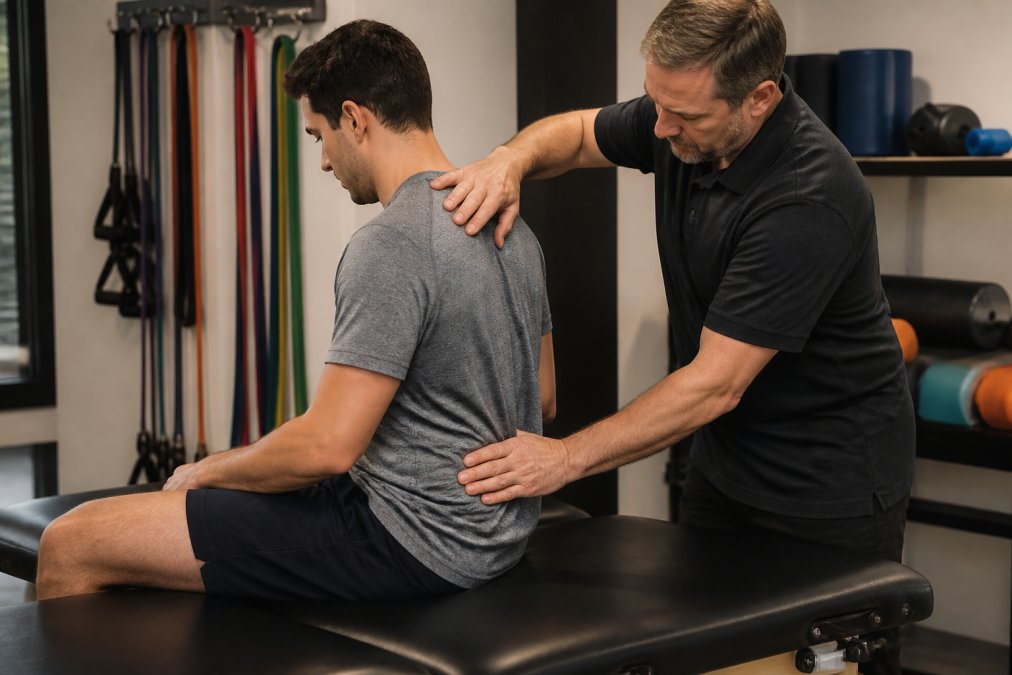
Massage therapy for musculoskeletal imbalances targets these compensation patterns before they produce injury. By identifying areas of chronic tension, restricted fascia, and neuromuscular inhibition, a skilled orthopedic practitioner can correct imbalances that make injury inevitable under load.
The assessment framework used with professional athletes, identifying asymmetries, addressing tissue restrictions, restoring balanced muscle activation, applies equally to recreational athletes. Injury prevention through orthopedic massage involves soft tissue mobilization to address chronic tension, myofascial release to restore tissue mobility, passive stretching to lengthen shortened structures, and postural alignment work to correct compensatory patterns.
A therapist focused on injury prevention works to change tissue conditions that make injury likely, not simply to make you feel good in the moment.
How Often to Get Orthopedic Massage for Best Results
Frequency depends on the severity of the condition, treatment goals, and how tissue responds between sessions. For acute injuries or significant chronic pain, more frequent sessions in the early phase are generally more effective. Many practitioners recommend weekly sessions for the first four to six weeks, then extending the interval as tissue stabilizes.
For injury prevention and performance maintenance, many active individuals settle into every two to four weeks depending on training load. High-volume training periods warrant more frequent sessions; lower-intensity periods may require less.
Treating orthopedic massage as crisis intervention, booking only when pain becomes unmanageable, consistently produces slower results than a proactive schedule. Most clients with chronic patterns notice meaningful improvement within three to five sessions, with continued progress over following weeks.
Avoid scheduling intense training or competition immediately after an orthopedic massage session. Treated tissue needs time to integrate changes, and pushing hard within 24 hours can provoke soreness or temporarily reduce performance.
Contraindications, Safety, and Post-Treatment Home Care
Orthopedic massage therapy is not appropriate for every situation. Knowing when it is contraindicated is as important as knowing what it can treat.
Who Should Avoid Orthopedic Massage
Certain conditions require physician clearance before receiving orthopedic massage, and some represent absolute contraindications.
Conditions requiring physician clearance:
- Recent fractures or surgical sites that have not fully healed
- Active deep vein thrombosis or known clotting disorders
- Uncontrolled hypertension or cardiovascular instability
- Active infection, fever, or systemic inflammatory conditions
- Certain stages of cancer
- Severe osteoporosis
- Pregnancy
Local contraindications include open wounds, bruising, acute inflammation, varicose veins, and skin conditions in the treatment area.
The American Massage Therapy Association’s professional standards and ethics guidelines provide clear guidance on contraindication screening. Contraindications are not reasons to avoid massage entirely, but reasons to modify the approach or refer out.
Post-Session Care Protocols
What you do in the 24 to 48 hours after an orthopedic massage session significantly affects how well the treatment holds.
Hydration: Soft tissue work increases metabolic activity in treated areas. Adequate water supports clearance of metabolic byproducts and helps tissue recover efficiently.
Heat vs. ice: For sessions focused on chronic tension, gentle heat can support continued muscle relaxation. For acute injury or inflammation, avoid heat for 24 hours and use ice if directed.
Movement: Light, gentle movement after a session helps integrate tissue changes. A short walk or gentle mobility work is appropriate; intense training is not.
Stretching: If your practitioner has given specific stretches, do them. The window after a session is when tissue is most receptive to length changes. Consistency with home stretching between sessions is one of the strongest predictors of long-term improvement.
As documented in the National Institutes of Health’s integrative health research on massage therapy, therapeutic outcomes are enhanced when patients engage actively in their recovery between sessions.
Chronic pain and unresolved musculoskeletal imbalances rarely improve without targeted, consistent intervention. Frank A. Casucci III LMT brings over two decades of clinical experience, including work with professional sports teams, performing arts companies, and high-level athletes, to every session. With certifications in Orthopedic Massage, Kinesio Taping, and Craniosacral Therapy, the practice offers clinical depth that general massage providers do not. Schedule now to begin a treatment plan built around your specific condition and goals.
Frequently Asked Questions
What are the primary clinical benefits of orthopedic massage therapy?
Orthopedic massage therapy targets the musculoskeletal system to reduce chronic pain, restore range of motion, decrease inflammation, and accelerate soft tissue healing. Techniques like myofascial release, trigger point therapy, and passive stretching address the root cause of dysfunction rather than just symptoms. Athletes and active individuals typically report improved flexibility, better postural alignment, and faster return to activity. Results vary by condition and individual, so a qualified therapist should assess your specific needs before treatment begins.
What are the key differences between a medical massage and an orthopedic massage?
Medical massage is a broad term covering any clinically directed massage prescribed to address a diagnosed condition, often billed through insurance. Orthopedic massage is a specialized subset focused specifically on the musculoskeletal system, joint mechanics, and soft tissue mobilization. Orthopedic practitioners assess movement patterns, identify biomechanical imbalances, and apply targeted techniques such as neuromuscular therapy and myofascial release. The distinction matters when choosing a therapist: orthopedic massage requires advanced training in anatomy, orthopedic pathologies, and rehabilitative protocols.
How often should you get orthopedic massage therapy?
Frequency depends on the severity of your condition and your rehabilitation goals. For acute injuries, weekly sessions are common in the early recovery phase. Chronic pain patterns or musculoskeletal imbalances often respond well to biweekly sessions initially, tapering to monthly maintenance once functional mobility improves. Athletes in heavy training may benefit from more frequent sessions during peak seasons. A qualified therapist will recommend a schedule based on your assessment, and that plan should be adjusted as your tissue health and pain levels change.
Can orthopedic massage therapy help with sports-related injury prevention?
Yes. Regular orthopedic massage addresses muscle tension, restricted joint mechanics, and connective tissue adhesions before they develop into injuries. By improving circulation, reducing scar tissue formation, and correcting postural alignment, it helps athletes maintain the biomechanical efficiency needed to train consistently. It works best as part of a broader strategy that includes proper training load management and, where appropriate, coordination with a physical therapist or sports medicine provider.
What conditions are typically addressed through orthopedic massage?
Orthopedic massage is commonly used for whiplash recovery, carpal tunnel syndrome, rotator cuff injuries, IT band syndrome, plantar fasciitis, arthritis-related stiffness, and chronic low back pain. It also addresses post-surgical scar tissue, nerve impingement, and repetitive strain injuries. The approach is assessment-driven: the therapist identifies which structures are involved and selects techniques accordingly, which may include soft tissue mobilization, passive stretching, or trigger point therapy depending on the orthopedic pathology.
What should you avoid doing after an orthopedic massage session?
Avoid intense exercise, heat exposure such as hot tubs or saunas, and alcohol for at least 24 hours after a session. Drink plenty of water to support circulation and help clear metabolic byproducts released during soft tissue mobilization. Mild soreness in the treated area is normal and typically resolves within 24 to 48 hours. Follow any specific home care instructions your therapist provides, which may include gentle stretching, ice or heat application, or activity modifications to reinforce the therapeutic outcomes of the session.