Quick Summary
Massage can help ease stiffness and tightness in chronic hamstring strains, but it works best as one part of a broader plan that includes strengthening exercise. Wait until sharp pain and swelling settle, avoid massage if warning signs appear, and see a clinician if pain lasts several weeks.
- Chronic hamstring strains have lasted longer than acute injuries and often cause stiffness and reduced flexibility.
- Pain near the sitting bone may signal proximal tendinopathy rather than a muscle strain, so a professional exam helps.
- Most practitioners wait several days after a fresh injury before using firm massage.
- Set a pressure limit: good pressure feels like a strong, productive stretch, not sharp pain.
- Keep self-massage sessions to about 5 to 10 minutes and avoid the back of the knee and bruised areas.
Table of Contents
- Treating Chronic Hamstring Strains With Massage: A Step-by-Step Guide
- Acute Versus Chronic Hamstring Strains: What Changes
- How Soon After a Hamstring Injury Can I Massage?
- When Massage Helps and When to Avoid It
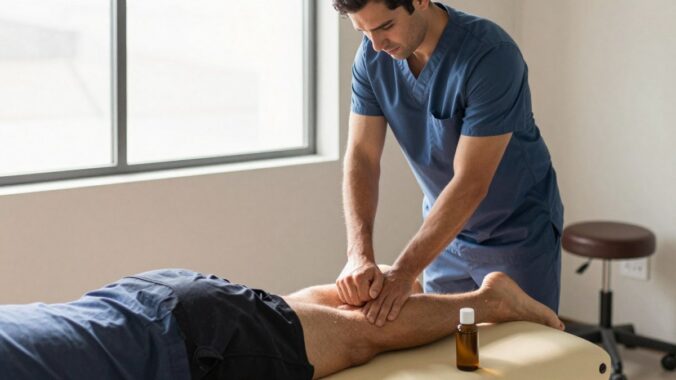
- Step-by-Step Massage Techniques for Chronic Hamstring Strains
- Self Massage Hamstring Strain: Safe Methods and Limits
- Choosing a Hamstring Massage Tool
- Pairing Massage With Hamstring Strain Rehabilitation Exercises
- Scheduling Your Next Step: When to See a Professional
- Frequently Asked Questions
Treating Chronic Hamstring Strains With Massage: A Step-by-Step Guide
Last Updated: November 16, 2026
Chronic hamstring strains can linger for months, and many people find that rest alone does not fully resolve them. This guide from Frank A. Casucci III LMT explains how massage can support recovery, which signs point to a different problem, and how to work safely with the muscle. (Source: National Institute of Arthritis and Musculoskeletal and Skin Diseases)
Treating chronic hamstring strains with massage works best as one part of a broader plan. Massage may ease tension and help the tissue feel less stiff. It cannot replace strengthening work, and it is not always the right first step. Below, you will learn how to tell an old muscle strain from a tendon problem, when to hold off on massage, and how to apply it safely.
Acute Versus Chronic Hamstring Strains: What Changes
The main difference is time. An acute hamstring strain is a fresh injury, usually within the first days or weeks, when the muscle is still bleeding internally and swelling. A chronic strain has lasted longer, often with lingering pain, stiffness, and reduced flexibility.
In the acute stage, heavy pressure can irritate the area and slow healing. In chronic cases, gentle to moderate massage may help the muscle tissue move better and may reduce the feeling of tightness.
What a hamstring strain actually is
A hamstring strain is a tear or overstretch of one or more of the three muscles at the back of the thigh. These muscles help bend the knee and extend the hip. The injury ranges from mild fiber damage to a complete tear.
Scar tissue often forms as the muscle heals. Scar tissue is less flexible than normal muscle, which can explain the stiffness many people feel months later.
Muscle strain or proximal tendinopathy? How to tell
Not every lingering pain at the back of the thigh is a muscle strain. Proximal hamstring tendinopathy affects the tendon where the hamstring attaches near the sitting bone. Pain from this problem often flares when sitting for long periods or stretching the hamstring under load.
Common differences include:
- Muscle strain: Pain sits in the belly of the muscle and often eases with gentle movement.
- Tendinopathy: Pain sits near the sitting bone and often worsens with sitting, deep stretching, or heavy hinge exercises.
- Either problem: Sharp pain during activity or swelling needs a professional exam.
A qualified clinician can tell these apart. Massage should not be used to self-diagnose. Readers curious about sports medicine massage therapy benefits can see how sessions address chronic strain.
How Soon After a Hamstring Injury Can I Massage?
Most practitioners wait until the sharpest pain and swelling have settled before using firm massage. Many people wait several days, and some wait longer if the injury is severe. Light, gentle work may be possible earlier, but only if a clinician approves it. Once firm massage is appropriate, Muscularity Structural Integration can help frame how hands-on work may fit into a broader approach to persistent muscle pain.
If you are unsure, ask a qualified professional before booking. Early massage on a fresh tear can increase bleeding and pain.
When Massage Helps and When to Avoid It
Some people find massage helpful when the problem is stiffness, tightness, or residual scar tissue after the injury has begun to heal.
Hold off on massage and seek care if you notice:
- Sharp pain with walking or bending
- Bruising that spreads or new swelling
- Numbness, tingling, or weakness in the leg
- Heat, redness, or fever around the area
- Pain that is getting worse instead of better
Massage is also not a substitute for medical evaluation after a serious injury. Imaging such as an MRI may be needed to judge injury severity when symptoms are unclear.
Step-by-Step Massage Techniques for Chronic Hamstring Strains
The steps below describe general approaches used in sports massage. They are not a prescription. Work with a qualified therapist when possible.
Preparing the muscle and setting pressure limits (Source: clinical guidelines for muscle strain recovery)
Start with the muscle warm. Warm tissue responds better to pressure. A few minutes of light movement or a warm shower can help.
Set a clear pressure limit. Good pressure feels like a strong, productive stretch or deep ache, not sharp pain. Ask the therapist to stop or ease off whenever pain spikes.
- Begin with light strokes along the back of the thigh.
- Gradually increase pressure as the tissue softens.
- Avoid pressing directly on the back of the knee or any bruised area.
Soft-tissue and trigger-point work
Soft-tissue work uses long strokes and gentle kneading to improve blood flow and loosen tight fibers. Trigger-point therapy applies steady pressure to a tight spot until it softens.
- Use long, slow strokes from the sitting bone toward the knee.
- Apply steady pressure to any tender knot for 20 to 30 seconds, then ease off.
- Work across the muscle fibers to help break up scar tissue.
Expect some tenderness after a session. Mild soreness that fades within a day or two is common. Sharp or lasting pain is not.
Self Massage Hamstring Strain: Safe Methods and Limits
Self-massage can support recovery between professional sessions, but it has limits. Use a light touch, and stop if pain increases.
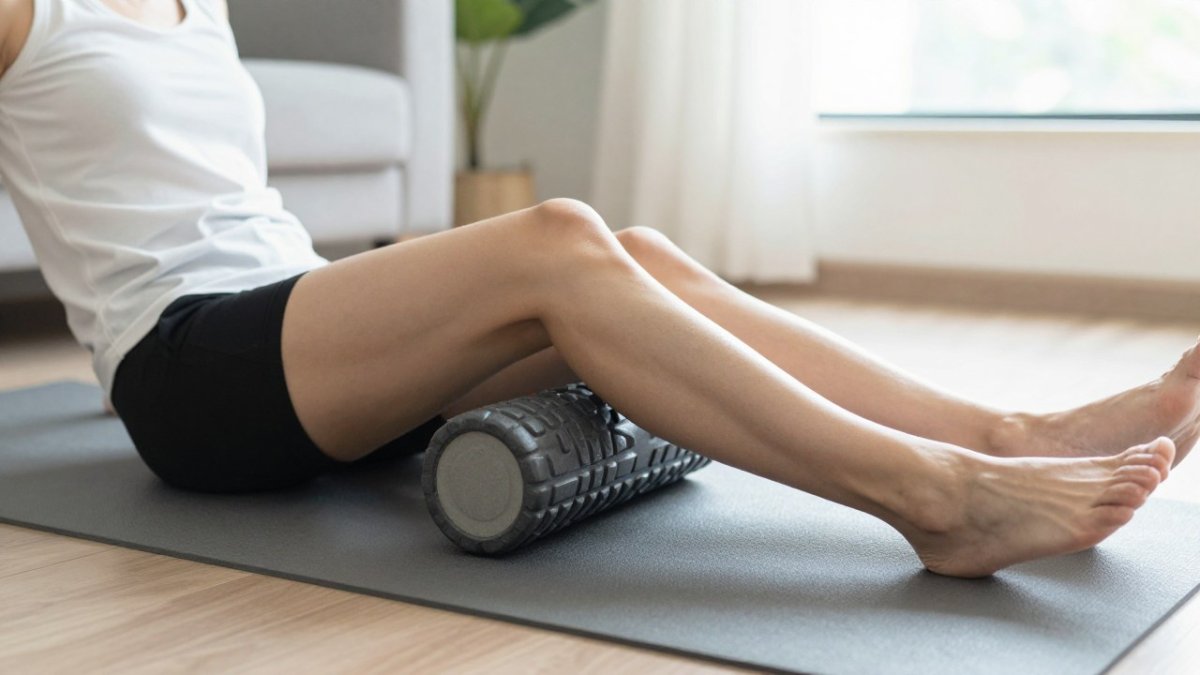
A basic method uses a foam roller:
- Sit on the floor with the roller under the back of your thigh.
- Use your hands to support your weight and roll slowly.
- Pause on tender spots for a few seconds, then move on.
- Keep sessions to about 5 to 10 minutes.
Avoid rolling directly over the back of the knee, the sitting bone, or any area that is bruised or swollen. Stop if you feel sharp pain, numbness, or tingling. Heat exposure, such as a hot tub, may feel relaxing, but it can increase swelling after a fresh injury, so check with a clinician first (Ice and heat treatment).
Choosing a Hamstring Massage Tool
Foam rollers are the most common option. They are inexpensive and work well for broad, gentle pressure. Massage sticks and handheld percussion devices offer more targeted pressure, but they can be too intense for a tender muscle.
Pick a tool that lets you control pressure easily. Start softer than you think you need, and increase only if the area feels comfortable.
Pairing Massage With Hamstring Strain Rehabilitation Exercises
Massage works best alongside progressive strengthening. Once pain allows, add gentle movement and loading. Typical progressions include isometric holds, then controlled bridges and hamstring curls, then heavier eccentric work as tolerated.
Massage can help prepare the muscle for these exercises by easing tightness and improving mobility. A complete guide to orthopedic massage for injury prevention explains how the two approaches fit together. The exercises then build strength so the muscle can handle daily activity and return to sport. Track progress by noting pain levels after activity, flexibility, and how quickly symptoms settle the next day. Improvement is usually gradual, and realistic expectations matter.
Scheduling Your Next Step: When to See a Professional
If your hamstring pain has lasted several weeks without improvement, or if it keeps returning, see a qualified healthcare provider. A clinician can rule out tendinopathy, assess injury severity, and build a plan that includes massage, exercise, and activity changes.
Frank A. Casucci III LMT offers sports medicine massage and injury-focused sessions, including Orthopedic Massage and Kinesio Taping. Readers looking for a sports medicine massage therapist in Westchester can review the treatment options available. A consultation can help you decide whether massage fits your situation. Our guide to booking sports injury massage explains what to expect and how to prepare.
Disclaimer: This article provides general information only and is not medical advice. Chronic injuries can have several causes. Consult a qualified healthcare professional before starting any treatment, especially after a sudden or severe injury.
Frequently Asked Questions
Is it good to massage a strained hamstring?
Gentle massage is often used once the initial, sharp stage of a strain has settled, but it is not a fit for every injury. Pressure should stay light to moderate and should never produce sharp pain, numbness, tingling or swelling. If the area is still hot, bruised or painful at rest, massage can aggravate it. A licensed therapist can judge whether the tissue is ready and recommend a pressure level that matches your stage of recovery.
How soon after a hamstring injury can I massage?
Timing depends on injury severity, pain levels and whether bleeding or swelling is still present. Many clinicians wait until acute symptoms have eased before starting soft-tissue work, while very light touch may be tolerated earlier. Because a more serious tear can look similar to a minor strain, an MRI or medical evaluation is worth considering before you begin deeper massage. Use pain response as your guide and stop if symptoms increase.
Can massage help a chronic hamstring strain?
Massage may help ease muscular tension, improve local mobility and reduce discomfort in some chronic hamstring cases, particularly where tight tissue and scar tissue contribute to symptoms. It works best alongside progressive strengthening and activity monitoring, not as a stand-alone fix. Persistent pain can also come from tendon problems at the sit-bone, which massage alone will not resolve. Realistic expectations matter: improvement is often gradual over several weeks.
Will hamstring tendinopathy ever go away?
Proximal hamstring tendinopathy often improves with a structured programme of progressive loading, including isometric and eccentric strengthening, and it can take months. Massage may ease surrounding muscle tension, but it does not replace loading the tendon itself. Persistent or worsening symptoms, numbness, or pain that disrupts sleep warrant a professional assessment to confirm the diagnosis and rule out other causes.
