Table of Contents
- Why Book Sports Injury Massage for Athletic Recovery
- How to Prepare for a Sports Massage Session
- What to Expect During a Sports Injury Massage
- Benefits of Orthopedic Massage for Athletes
- Medical Massage vs. Relaxation Massage: What’s the Difference
- Common Sports Injuries Treated with Therapeutic Massage
- How to Book Your Sports Injury Massage Appointment
- Self-Care Protocols Between Massage Sessions
- Frequently Asked Questions
Last Updated: August 29, 2026
Why Book Sports Injury Massage for Athletic Recovery
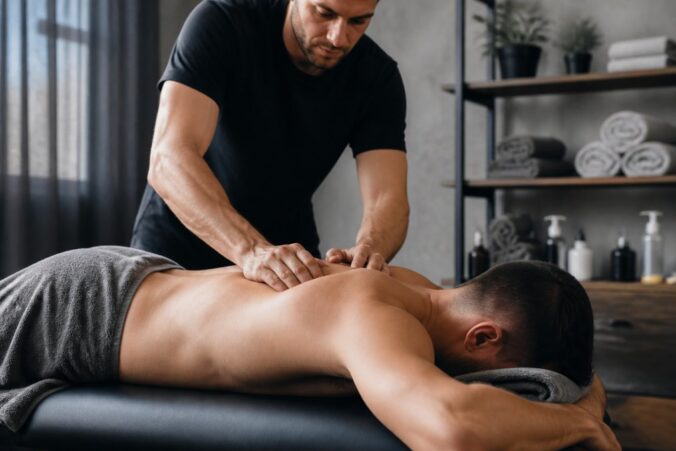
Sports injury massage targets the soft tissue damage, muscle tension, and biomechanical imbalances that result from athletic activity. Unlike standard relaxation massage, therapeutic massage for sports injuries addresses root causes of dysfunction: chronic pain patterns, postural imbalances, and mobility restrictions.
When muscles, tendons, and fascia are compromised by injury or overuse, they develop adhesions, trigger points, and restrictions that limit range of motion and increase re-injury risk. Therapeutic massage breaks these patterns down, restores tissue elasticity, and accelerates healing. The result is faster recovery, reduced pain, and the ability to return to training sooner.
Frank A. Casucci III LMT has spent over two decades working with professional athletes, dancers, and weekend warriors, identifying exactly which soft tissue restrictions are holding back performance and addressing them with precision.
Sports injury massage is preventative and rehabilitative. It addresses the biomechanical dysfunction that causes injury in the first place, then accelerates healing once injury occurs.
How to Prepare for a Sports Massage Session
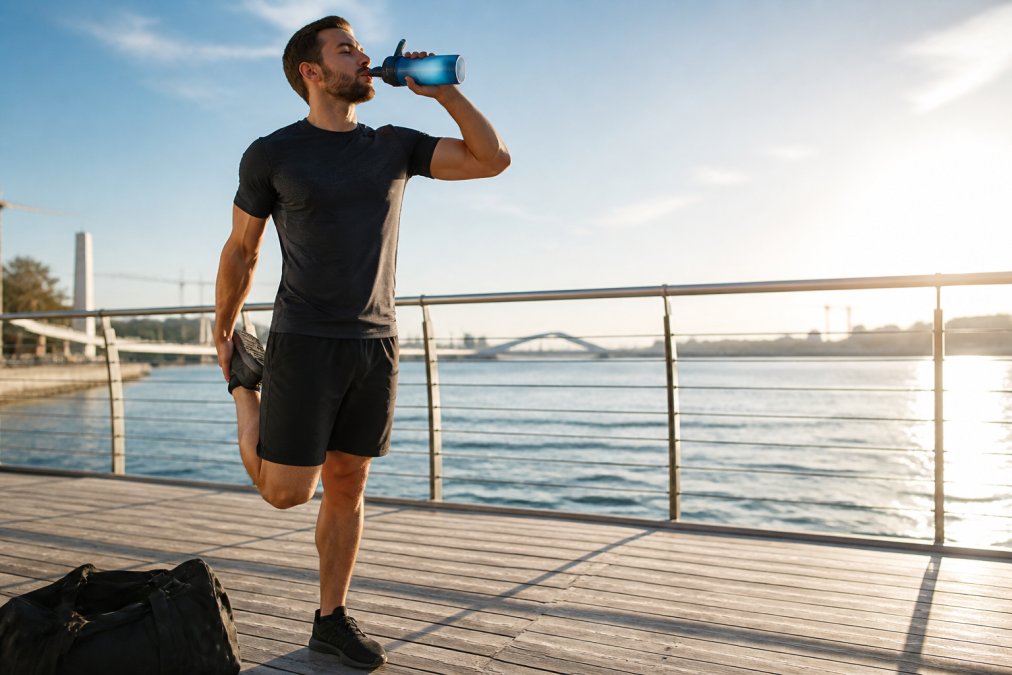
Hydration is non-negotiable. Well-hydrated tissue responds better to manipulation, recovers faster, and experiences less soreness post-treatment. Drink water consistently in the 24 hours before your appointment.
Light activity before your session keeps tissue pliable and warm. Arriving stiff from sitting all day means the therapist spends valuable time warming tissue rather than treating dysfunction. If you’ve been sedentary, arrive 10-15 minutes early and do some light movement.
Wear comfortable clothing you can easily remove. Sports massage typically involves minimal clothing to access affected areas. Bring athletic wear if needed.
Communicate your injury history clearly. Describe what happened, when it happened, what movements aggravate it, and what you’ve already tried. The more context the therapist has, the more precisely they can target treatment.
Avoid heavy meals 2-3 hours before your appointment. Deep tissue work on a full stomach can cause nausea.
If you’re taking pain medication or anti-inflammatories, mention this during intake. Some medications mask pain signals, which means the therapist can’t read your feedback accurately during treatment.
What to Expect During a Sports Injury Massage
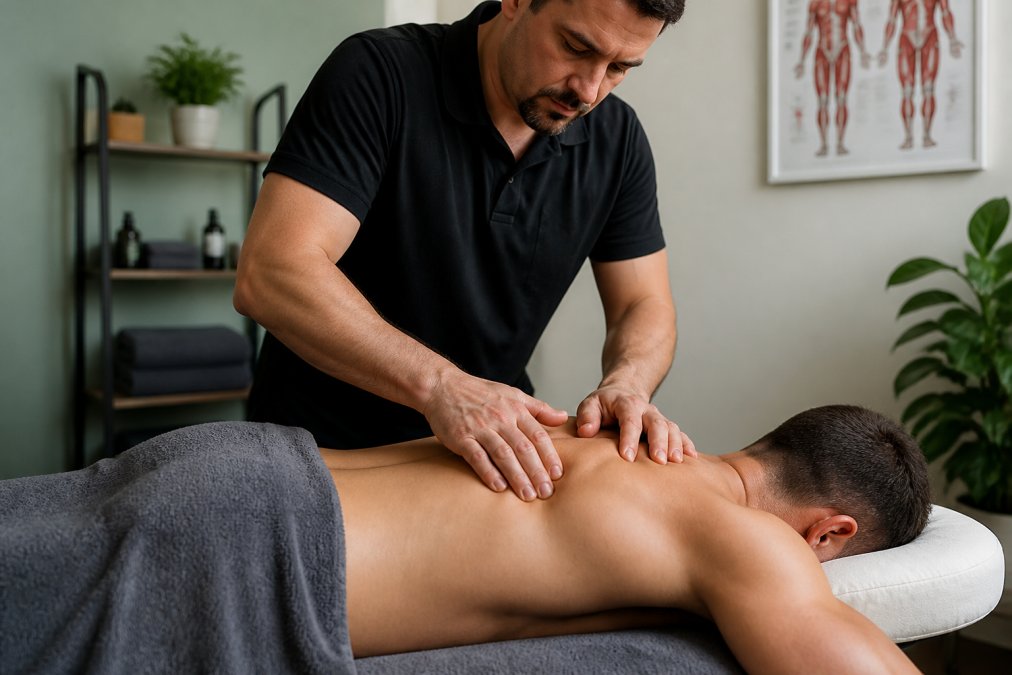
A sports injury massage session is structured, focused work. Expect the therapist to spend 10-15 minutes assessing your condition before beginning treatment, asking specific questions about pain patterns, injury history, and athletic goals. They’ll palpate the affected area, test range of motion, and identify restrictions.
Once treatment begins, you’ll feel sustained pressure, not light stroking. Deep tissue work accesses muscle layers where adhesions and trigger points develop. The pressure should be intense enough to reach problem tissue but not so extreme that you’re bracing against pain. You should be able to breathe normally and communicate when pressure needs adjustment.
Sports injury massage focuses on specific regions causing dysfunction rather than your entire body. If your lower back is the issue, the session might concentrate 70% of time on the lumbar region, glutes, and hip flexors.
Communication during the session is essential. If pressure is too intense, say so. Sharp, shooting, or radiating pain should stop immediately, that’s a signal to adjust technique or location.
Post-session soreness is normal for 24-48 hours afterward (peer-reviewed research). This is the normal response of tissue being mobilized and beginning to heal.
If you experience sharp, shooting pain during the session or severe swelling afterward, contact your therapist immediately. This can indicate that treatment intensity was too aggressive for your current tissue state.
Benefits of Orthopedic Massage for Athletes
Orthopedic massage, the clinical application of massage therapy to musculoskeletal conditions, delivers specific, measurable improvements in athletic function and injury recovery.
The primary benefit is restoration of mobility. Restricted range of motion is one of the earliest signs of soft tissue injury or chronic tension. A runner with restricted hip mobility develops compensation patterns that eventually cause knee or ankle pain. Restoring hip range of motion prevents that cascade.
Pain reduction follows from restored tissue function. Trigger points, localized areas of hyperirritability in muscle, refer pain to distant locations. Orthopedic massage identifies and releases these points, addressing pain at its source.
Injury prevention is the third major benefit. Athletes with chronic imbalances, postural dysfunction, and restricted mobility are at constant risk of acute injury. Orthopedic massage corrects these patterns before they cause damage.
Recovery acceleration is measurable. Therapeutic massage modulates inflammatory response, improves circulation to injured tissue, and stimulates the healing cascade. Athletes who receive massage after injury return to training sooner than those who don’t.
At Frank A. Casucci III LMT, orthopedic massage is combined with other clinical techniques, Kinesio Taping, Craniosacral Therapy, and customized protocols, to address the complete picture of your dysfunction.
Medical Massage vs. Relaxation Massage: What’s the Difference
Relaxation massage prioritizes comfort and stress relief using moderate pressure and rhythmic techniques designed to calm the nervous system. It feels good and provides temporary relief but is not therapeutic treatment.
Medical massage, also called clinical or orthopedic massage, is treatment. It targets specific musculoskeletal dysfunction, uses advanced assessment techniques, and applies precise pressure to address the root cause of pain or limitation. Sessions focus on problem areas with often intense pressure. The goal is functional improvement afterward, not comfort during the session.
The therapist’s training differs significantly. Relaxation therapists learn general techniques and anatomy basics. Medical massage therapists study clinical assessment, pathology, biomechanics, and advanced soft tissue techniques. They understand how to identify restrictions and apply treatment that changes tissue structure and function.
Insurance and billing reflect this distinction. Relaxation massage is typically not covered by insurance because it’s wellness care. Medical massage is often covered because it’s treatment for a diagnosed condition.
Medical massage can feel uncomfortable during treatment, intense pressure, stretching that reaches your edge of tolerance, techniques that address pain directly. This discomfort is purposeful; it means tissue is being mobilized.
Choose relaxation massage for general wellness and stress relief. Choose medical massage when you have a specific injury, chronic pain pattern, or performance goal that requires targeted treatment.
Medical massage is appropriate for athletes recovering from injury, individuals with chronic pain patterns, and anyone whose dysfunction hasn’t resolved through general care. Relaxation massage is better for general stress relief and maintenance wellness.
Common Sports Injuries Treated with Therapeutic Massage
Therapeutic massage addresses many sports-related injuries and chronic conditions.
Hamstring strain is one of the most common running injuries. Massage accelerates healing by improving circulation, reducing inflammation, and restoring tissue elasticity.
Rotator cuff dysfunction affects overhead athletes, swimmers, tennis players, and baseball players. Massage addresses the muscle imbalances and trigger points that create dysfunction, restoring stability and reducing pain.
Lower back pain from sports is frequently caused by tight hip flexors, glute dysfunction, and lumbar muscle tension. Therapeutic massage identifies which muscles are driving the pain pattern, releases restrictions, and restores proper firing patterns.
IT band syndrome affects runners and cyclists. Massage to the hip, glutes, and lateral thigh relieves tension in the IT band.
Ankle sprains create lingering instability long after acute injury heals. Massage breaks down restrictive scar tissue, restores mobility in the ankle joint, and prepares tissue for proprioceptive retraining.
Neck and shoulder tension from postural strain or repetitive sports movements creates trigger points that refer pain into the head, arms, and upper back. Targeted massage releases these points and corrects muscle imbalances.
Frank A. Casucci III LMT has worked extensively with professional dancers and athletes treating these specific injuries.
How to Book Your Sports Injury Massage Appointment
Start by gathering information about the therapist’s qualifications. Look for certifications in orthopedic massage, sports medicine, or clinical bodywork. Check for state licensure and verify the license number with your state’s massage therapy board.
Describe your injury or condition clearly when you book. Explain what happened, when it happened, what movements cause pain, and what you’ve already tried. If you’ve seen a physical therapist or other provider, mention what they found.
Ask about session length and structure. Most therapeutic massage sessions are 60 or 90 minutes. Shorter sessions work for maintenance or minor issues but are usually insufficient for addressing significant dysfunction.
Confirm the therapist’s experience with your specific condition. Specialized experience matters.
Discuss your goals and timeline. Are you recovering from acute injury? Managing chronic pain? Training for a specific event? Clear goals help the therapist design a treatment plan that matches your needs.
Request a consultation call before booking if you’re uncertain whether massage is right for your situation. A qualified therapist will honestly assess whether your condition is appropriate for massage or whether you need other care first.
Self-Care Protocols Between Massage Sessions
The work between sessions determines your results as much as the sessions themselves.
Hydration is the foundation. Massage mobilizes tissue and stimulates circulation, which increases metabolic demand. Drink water consistently for 48 hours after treatment (the NIH). Aim for half your body weight in ounces daily (the CDC).
Movement and stretching should be gentle in the 24-48 hours immediately after treatment. Do light mobility work, easy walking, gentle yoga, and dynamic stretching that maintains gains without creating new stress.
Contrast therapy, alternating hot and cold, improves circulation and reduces inflammation. After the first 48 hours, use a warm shower or heating pad for 10-15 minutes, followed by 2-3 minutes of cold. Repeat 2-3 times.
Self-myofascial release using a foam roller or massage ball extends benefits between sessions. Focus on treated areas, spending 1-2 minutes per muscle group and pausing on tender points.
Postural awareness throughout the day prevents your body from returning to dysfunction. If your therapist corrected forward shoulder posture, consciously maintain neutral posture during work and training.
Activity modification is critical if you’re injured. Massage creates the healing environment, but continuing the activity that caused injury will re-injure you. Work with your therapist to understand appropriate activity levels during recovery.
Sleep quality accelerates healing. Prioritize 7-9 hours nightly, especially in the first 2 weeks after injury.
Nutrition supporting inflammation management helps tissue heal. Adequate protein provides building blocks for tissue repair. Anti-inflammatory foods like fatty fish, berries, leafy greens, and olive oil support the healing cascade.
Book sports injury massage when you’re ready to address the root cause of pain and dysfunction rather than just managing symptoms. Frank A. Casucci III LMT brings over two decades of experience identifying exactly which soft tissue restrictions are limiting your performance or causing pain, then addressing them with precision. Whether you’re recovering from acute injury, managing chronic pain patterns, or optimizing athletic performance, specialized sports massage creates the foundation for healing and peak function. Schedule your consultation and take the first step toward moving and feeling your best.
Frequently Asked Questions
How do I know if a massage therapist is qualified for sports injury rehabilitation?
Look for therapists certified in orthopedic massage, sports medicine massage, or clinical bodywork. Verify they hold a current state massage license and membership in professional organizations like the American Massage Therapy Association (AMTA). Ask about their experience treating your specific injury and whether they’ve worked with athletes or sports teams. A qualified therapist will assess your injury, understand biomechanics, and create a customized treatment plan rather than offering generic massage.
What’s the difference between medical massage and regular sports massage?
Medical massage targets specific musculoskeletal conditions and soft tissue damage with therapeutic intent, often integrating with physical therapy or rehabilitation protocols. It focuses on injury recovery, correcting body imbalances, and restoring mobility. Regular relaxation massage prioritizes stress relief and general wellness. Medical massage requires assessment of your injury, range of motion testing, and evidence-based treatment planning. A certified therapist trained in orthopedic massage or clinical bodywork can identify dysfunction and apply targeted techniques like myofascial release or trigger point therapy.
How often should I book sports injury massage for chronic pain or injury recovery?
Frequency depends on your injury severity, recovery goals, and treatment plan. Acute injuries may benefit from weekly or bi-weekly sessions initially, while chronic pain management often requires ongoing maintenance sessions every 2-4 weeks. A qualified therapist will assess your condition and recommend a timeline based on your specific musculoskeletal issues and athletic performance goals.
What should I look for when booking a sports massage therapist?
Verify state licensure, certifications in orthopedic massage or sports medicine, and experience treating your specific injury type. Ask about their background working with athletes at your level, whether professional, collegiate, or recreational. Confirm they offer customized treatment plans and use evidence-based techniques like myofascial release, trigger point therapy, or kinesio taping. Read reviews mentioning injury recovery results, not just relaxation. A therapist should conduct an assessment, explain their approach, and discuss realistic recovery expectations before your first session.