Table of Contents
- What Is Orthopedic Massage and How It Prevents Injury
- Benefits of Orthopedic Massage Therapy for Active Individuals
- How Orthopedic Massage Improves Range of Motion and Flexibility
- Orthopedic Massage Techniques for Athletes and Performance
- Addressing Muscle Imbalances and Biomechanical Stress
- Self-Myofascial Release Techniques for Injury Prevention
- When to Seek Professional Orthopedic Massage and Safety Considerations
- Frequently Asked Questions
Last Updated: September 27, 2026
What Is Orthopedic Massage and How It Prevents Injury
[Orthopedic massage](/benefits-of-orthopedic-massage-therapy/) for injury prevention is a specialized form of therapeutic massage that targets the musculoskeletal system to identify, treat, and prevent injuries before they occur. Unlike general relaxation massage, orthopedic massage focuses on the relationship between muscles, tendons, ligaments, and joints, addressing the biomechanical imbalances and movement patterns that lead to pain and dysfunction.
At Frank A. Casucci III LMT, we understand that injury doesn’t happen in isolation. It develops gradually through repetitive stress, postural dysfunction, and compensatory movement patterns. Orthopedic massage works by releasing trigger points and adhesions, areas of stuck or damaged soft tissue, that restrict movement and create cascading problems throughout the body. By addressing these issues early, athletes and active individuals can maintain optimal performance while avoiding the downtime that injuries demand.
The prevention aspect is critical. Many people wait until pain becomes unbearable before seeking help. By then, the problem has often spread to surrounding tissues through compensation. Professional orthopedic massage for injury prevention intercepts this cycle. It improves blood flow and circulation to tissues, reduces muscle tension, and restores proper movement patterns before dysfunction becomes injury.
Orthopedic massage for injury prevention targets the root causes of movement dysfunction, trigger points, adhesions, and biomechanical imbalances, rather than just treating symptoms after injury occurs.
Benefits of Orthopedic Massage Therapy for Active Individuals
The benefits of orthopedic massage therapy extend far beyond temporary relief. For athletes, dancers, and weekend warriors, regular sessions create a foundation of muscular health that directly translates to improved performance and reduced injury risk.
One of the most significant benefits is enhanced recovery. Active individuals place enormous demands on their bodies. Orthopedic massage accelerates the removal of metabolic waste products and reduces inflammation in overworked muscle groups. This means faster recovery between training sessions and competitions. Athletes who incorporate orthopedic massage into their routine may find they can train harder and more frequently.
Range of motion and flexibility improve measurably. When muscles are tight and adhesions restrict movement, joints can’t move through their full range. This creates compensation patterns, other muscles take on work they weren’t designed for, leading to new injuries. Orthopedic massage releases these restrictions, allowing joints to move freely. Dancers particularly benefit, as their activities demand extreme ranges of motion that can be hindered by restricted soft tissue.
The benefits of orthopedic massage therapy also include pain reduction without medication. Chronic muscle tension creates a self-perpetuating cycle: tight muscles restrict blood flow, which reduces oxygen delivery, which increases pain signals, which causes more tension. Breaking this cycle through targeted soft tissue work provides relief that lasts because it addresses the underlying cause rather than masking symptoms.
Schedule orthopedic massage sessions before your training peaks, not after injury strikes. Preventative care maintains the tissue quality and movement patterns that keep you performing at your best.
How Orthopedic Massage Improves Range of Motion and Flexibility
Restricted range of motion is one of the earliest warning signs that injury is developing. When muscles lose flexibility, joints compensate by moving in altered patterns. Over time, this compensation creates stress on structures that weren’t designed to handle it, leading to tendinitis, bursitis, and joint pain.
Orthopedic massage for injury prevention restores range of motion by addressing the soft tissue restrictions that limit movement. Trigger points, hyperirritable spots within muscle tissue, contract and shorten muscle fibers, reducing the distance a joint can move. Adhesions, scar tissue or areas of inflammation, glue muscle fibers together, preventing the smooth sliding motion necessary for full range. When a massage therapist releases these restrictions, the muscle can lengthen fully again.
The process involves specific techniques. Soft tissue mobilization, direct pressure applied to restricted areas, breaks apart adhesions and releases trigger points. Myofascial release, sustained pressure on the fascia, the connective tissue surrounding muscles, restores elasticity and allows tissues to glide freely. These aren’t aggressive techniques. They’re precise, targeted interventions that work with the body’s natural healing response.
Flexibility improves as a direct result. A muscle that was shortened by trigger points can now lengthen fully. A joint that was restricted by adhesions can now move through its complete range. Athletes notice this immediately, movements feel smoother, easier, and more powerful. The improved range of motion also distributes stress more evenly across muscle groups during activity, which is one of the most effective injury prevention strategies available.
Orthopedic Massage Techniques for Athletes and Performance
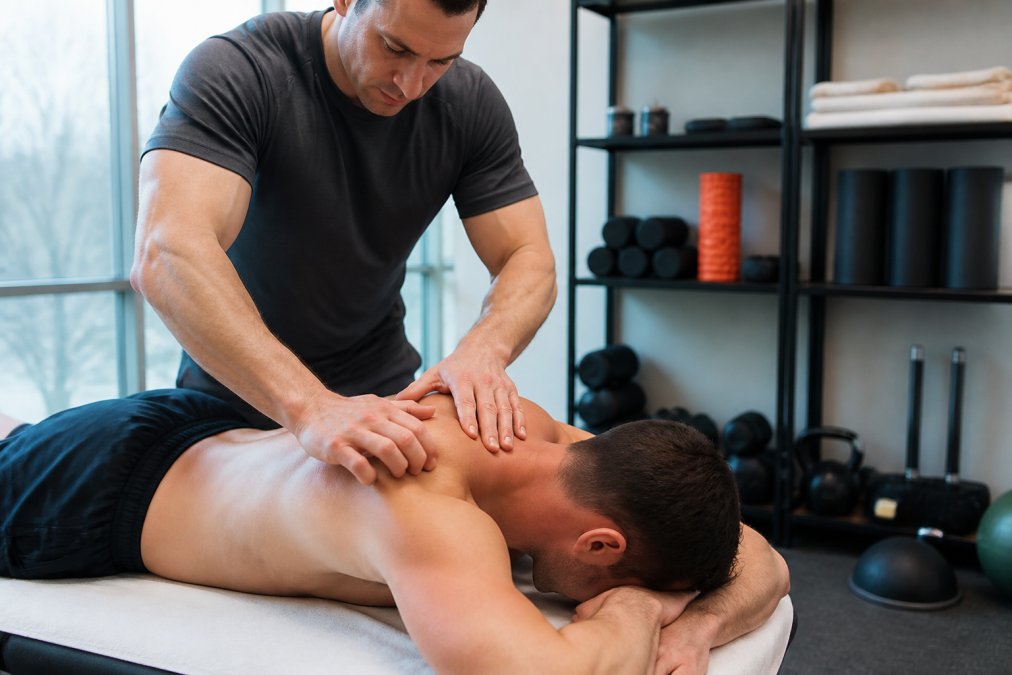
Athletes face unique demands that require specialized approaches. Orthopedic massage techniques for athletes are designed to address the specific movement patterns and injury risks of their sport while enhancing performance capabilities.
Cross-friction massage is one of the most effective techniques for athletic populations. This method involves applying pressure across the grain of muscle fibers, which breaks apart adhesions and stimulates the healing response. It’s particularly valuable for chronic soft tissue injuries that haven’t responded to rest alone. The technique creates controlled inflammation that triggers the body’s repair mechanisms, ultimately strengthening the tissue.
Trigger point release directly addresses the localized areas of muscle tension that restrict movement and cause referred pain. An athlete might feel pain in their knee, but the actual problem originates in tight hip muscles creating biomechanical stress. Orthopedic massage for injury prevention identifies these patterns and releases the trigger points at their source. This approach prevents the compensation patterns that turn a single tight muscle into a full-body dysfunction.
Myofascial release techniques work on a larger scale, addressing the interconnected network of fascia that surrounds and penetrates every muscle. When fascia becomes restricted, it limits movement and creates tension throughout muscle groups. Sustained pressure applied to these areas restores the fascia’s elasticity and allows muscles to function independently again. For athletes, this translates to smoother movement patterns and reduced injury risk.
Performance enhancement is a direct outcome. When muscles work efficiently and joints move through their complete range, athletic power increases. Runners experience faster times, jumpers achieve greater height, and strength athletes lift more weight, all because their bodies are functioning optimally rather than compensating around restrictions.
Addressing Muscle Imbalances and Biomechanical Stress
Muscle imbalances are one of the most common causes of cumulative trauma disorders and sports injuries. The human body develops these imbalances through repetitive activity, postural habits, and training patterns that overuse certain muscles while neglecting others. A runner might develop powerful quads but weak glutes. A tennis player might have overdeveloped shoulder muscles on their dominant side. These imbalances create biomechanical stress that eventually leads to injury.
Ignoring muscle imbalances leads to progressive dysfunction. What starts as minor tightness in one muscle group becomes compensation patterns throughout the body, eventually manifesting as injury that sidelines you for weeks or months. Address imbalances early through orthopedic massage for injury prevention.
Self-Myofascial Release Techniques for Injury Prevention
While professional orthopedic massage is essential, athletes can extend the benefits between sessions through self-myofascial release. This involves using tools and techniques to apply pressure to your own soft tissue, releasing trigger points and adhesions independently.
| Self-Myofascial Release Technique | Best For | Frequency | Duration |
|---|---|---|---|
| Foam rolling | Large muscle groups (quads, IT band, calves) | 3-4 times weekly | 60-90 seconds per area |
| Lacrosse ball | Specific trigger points, hard-to-reach areas | Daily or 5-6 times weekly | 60-90 seconds per point |
| Hand pressure | Small muscles, precise locations | Daily | 60-90 seconds per point |
| Dynamic stretching | Combined with self-release | Daily | 30 seconds per stretch |
When to Seek Professional Orthopedic Massage and Safety Considerations
While self-myofascial release is valuable, certain situations require professional intervention. Understanding when to seek orthopedic massage for injury prevention ensures you’re getting the right treatment at the right time.
Frequently Asked Questions
What is the difference between orthopedic massage and standard sports massage?
Orthopedic massage focuses on assessing and treating specific musculoskeletal dysfunctions through therapeutic tissue manipulation, while sports massage is broader and emphasizes recovery and performance enhancement. Orthopedic massage uses detailed biomechanical assessment to identify root causes of pain and dysfunction, making it ideal for injury prevention and chronic conditions. Sports massage can serve maintenance and recovery purposes without necessarily addressing underlying imbalances.
How often should athletes receive orthopedic massage for injury prevention?
Frequency depends on your training intensity, injury history, and specific goals. Many athletes benefit from monthly or bi-weekly sessions for preventative care, while those addressing active injuries or significant imbalances may need weekly sessions initially. A qualified orthopedic massage therapist can assess your needs during a consultation and recommend a schedule tailored to your training cycle and recovery demands.
Can orthopedic massage help with chronic pain that hasn’t improved with other treatments?
Yes. Orthopedic massage identifies and addresses soft tissue restrictions, adhesions, and trigger points that may underlie chronic pain patterns. Many individuals find relief after traditional treatments haven’t resolved their issues because orthopedic assessment targets the specific tissue dysfunction causing the problem. However, chronic pain can have multiple causes, so professional evaluation is essential to determine if massage therapy is appropriate for your situation.
What specific techniques are used in orthopedic massage therapy?
Common techniques include soft tissue mobilization, trigger point release, myofascial release targeting adhesions and scar tissue, and joint mobility work. Therapists assess muscle groups for imbalances and restrictions, then apply sustained pressure, cross-fiber friction, or stretching techniques to restore function. Each session is customized based on your assessment findings and injury prevention goals.
Is orthopedic massage safe for all types of injuries?
Orthopedic massage is effective for most soft tissue injuries and chronic pain, but certain conditions require caution or professional guidance first. Acute inflammation, hematomas, fractures, and specific medical conditions may have contraindications. A consultation with your healthcare provider and a qualified orthopedic massage therapist ensures treatment is appropriate and safe for your specific situation.
How does orthopedic massage improve athletic performance?
By correcting biomechanical imbalances and restoring proper muscle function, orthopedic massage enhances movement efficiency and reduces compensatory patterns that limit performance. Improved blood flow and circulation support faster recovery between training sessions. Athletes experience better range of motion, reduced muscle tension, and more efficient movement patterns, all of which contribute to improved performance and reduced injury risk.