Table of Contents
- How Sports Medicine Massage Therapy Benefits Athletic Performance
- Accelerated Muscle Recovery and Healing
- Sports Massage Recovery Time: What to Expect
- Orthopedic Massage Techniques for Athletes
- Massage Therapy for Muscle Imbalances and Chronic Pain
- Pre-Event and Post-Event Massage Protocols
- Injury Prevention and Long-Term Athletic Longevity
- Frequently Asked Questions
Last Updated: September 25, 2026
How Sports Medicine Massage Therapy Benefits Athletic Performance
Sports medicine massage therapy benefits athletes by addressing performance limitations through strategic recovery, injury prevention, and correction of movement imbalances. Sports medicine massage therapy benefits athletes by addressing performance limitations through strategic recovery, injury prevention, and correction of movement imbalances.
Sports medicine massage therapy benefits differ from general massage through specificity: identifying trigger points that restrict range of motion, addressing myofascial restrictions that alter biomechanics, and enhancing blood flow to tissues under chronic demand.
Training creates muscle micro-tears, metabolic waste buildup, and neural tension that compromise movement quality. Sports medicine massage therapy benefits accelerate recovery by promoting circulation, reducing tension, and restoring elasticity, enabling more frequent, higher-quality training.
The most overlooked aspect of sports massage is timing. Pre-event massage serves a different purpose than post-event work. Pre-event sessions focus on muscle activation and nervous system preparation, while post-event massage emphasizes recovery and metabolic waste removal. Mixing these protocols reduces their effectiveness.
Accelerated Muscle Recovery and Healing
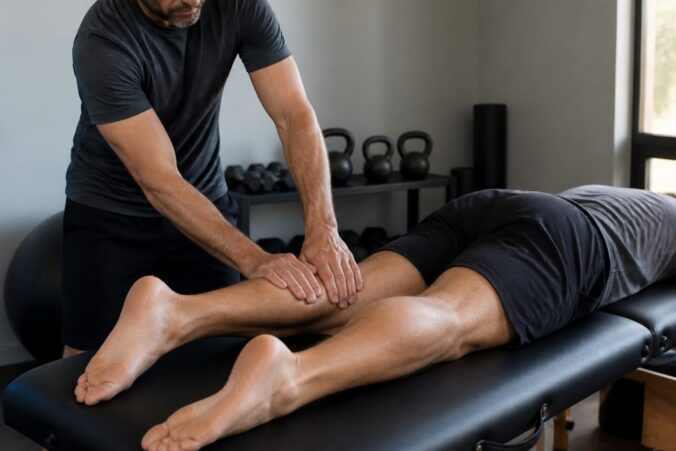
Recovery speed determines return-to-training timelines. Muscle recovery requires removing metabolic byproducts, restoring glycogen, reducing inflammation, and repairing fibers, all processes that sports medicine massage therapy benefits accelerate.
Soft tissue mobilization increases local blood circulation, delivering oxygen and nutrients while removing metabolic waste, tissues with enhanced circulation heal faster than those recovering passively.
Delayed onset muscle soreness (DOMS) peaks 24-72 hours after intense training. While some soreness signals adaptation, excessive DOMS impairs training quality. Therapeutic massage reduces DOMS severity through lymphatic drainage and reduced inflammatory markers, improving training consistency.
Muscle strain healing occurs in three phases: inflammatory (48-72 hours), proliferative (weeks), and remodeling (months). Sports medicine massage therapy benefits vary by phase, early work prevents excessive scarring; later work aligns healing fibers along contraction direction for improved strength restoration.
Sports Massage Recovery Time: What to Expect
Recovery time after massage varies by intensity and baseline condition. Most athletes notice immediate improvements in range of motion and tension relief, though deeper adaptations driving long-term gains develop over multiple sessions.
Within 24 hours, athletes report reduced tightness and improved flexibility. Within 3-5 days, cumulative effects appear: smoother training, better coordination, and accelerated fatigue recovery from repeated mobilization and improved circulation.
Chronic conditions require 4-8 weeks of consistent sessions for substantial functional changes, allowing tissue remodeling and nervous system adaptation. Long-standing postural dysfunction requires more sessions since the neuromuscular system has adapted to dysfunction over months or years.
Between sessions, self-myofascial release (SMR) with foam rollers maintains gains and extends benefits. A 2-3 minute daily routine targeting problem areas keeps tissues mobile and prevents regression.
When NOT to Get a Sports Massage: Contraindications and Safety
Acute inflammation and recent injury contraindicate massage within 48-72 hours; aggressive work increases bleeding and worsens inflammation. RICE is appropriate; gentle techniques may resume after 72 hours under sports medicine guidance.
Fractures and suspected fractures absolutely contraindicate massage in the affected area. Massage over a fracture site can displace bone fragments or interfere with healing alignment. Even stress fractures, which may not show on initial imaging, require medical clearance before massage is safe.
Undiagnosed pain requires medical evaluation before massage. Sudden onset pain, movement-specific pain, or pain with swelling/bruising/loss of function needs physician clearance first, massage might mask serious conditions.
Thrombosis, varicose veins, and vascular conditions contraindicate massage. DVT is a medical emergency; massage can dislodge clots. Athletes with blood clot history, recent surgery, or prolonged immobility must disclose this before scheduling.
Skin infections, open wounds, and contagious conditions require postponement until fully resolved and cleared by a healthcare provider.
Fever or systemic illness contraindicate massage; increased circulation and metabolic demand can worsen symptoms or prolong illness.
Certain medications interact with massage. Blood thinners increase bruising risk; corticosteroids compromise healing. Athletes must disclose all medications so techniques can be adjusted.
Pregnancy requires specialized prenatal massage training. While massage can benefit pregnant athletes, certain techniques and pressure points are contraindicated, particularly in the first trimester. Only therapists trained in prenatal massage should work with pregnant clients.
If an athlete is unsure whether massage is safe for their condition, the default is to seek medical clearance first. A brief conversation with a sports medicine physician or athletic trainer takes minutes and prevents potential complications. No massage benefit is worth risking an athlete’s health.
Frequency Recommendations Based on Training Volume
Optimal frequency is one session every 7-10 days during heavy training, scaling to every 2-3 weeks during lighter phases, enough stimulus for adaptation without dependency.
Orthopedic Massage Techniques for Athletes
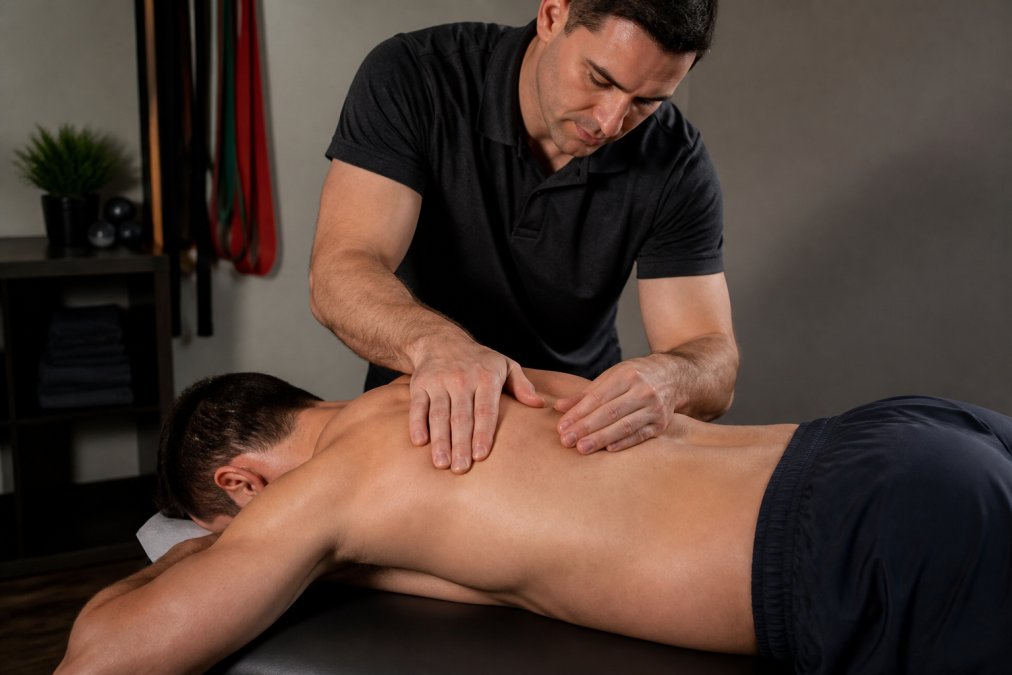
Orthopedic massage techniques target specific anatomical structures and movement dysfunctions to restore normal tissue mechanics and eliminate pain patterns compromising performance.
Massage Therapy for Muscle Imbalances and Chronic Pain
Muscle imbalances develop when certain muscles become chronically tight while antagonists weaken, tight hip flexors and weak glutes create knee pain; shoulder internal rotator tightness compromises throwing. These require targeted soft tissue work combined with movement correction, not stretching alone.
Pre-Event and Post-Event Massage Protocols
Pre-event and post-event massage serve different purposes; confusing them reduces effectiveness. Pre-event (15-30 minutes before) focuses on nervous system activation and muscle preparation. Post-event (within 2-4 hours) emphasizes recovery and metabolic waste removal.
A common mistake is treating massage as a substitute for proper warm-up or cool-down protocols. Pre-event massage enhances but does not replace dynamic warm-up. Post-event massage accelerates recovery but does not replace active recovery movement like easy walking or cycling.
Injury Prevention and Long-Term Athletic Longevity
Sports medicine massage therapy benefits injury prevention by maintaining tissue health and identifying dysfunction before symptoms appear. Many injuries develop gradually through accumulated movement dysfunction, subtle hip instability creates compensatory knee stress leading to pain and lost training time.
The Injury Prevention Paradox: Proactive vs. Reactive Massage
Most athletes seek massage only after pain develops, a reactive approach. However, proactive interventions are far more cost-effective and performance-preserving than reactive treatment.
Building a Preventive Massage Schedule: Sport-Specific Protocols
Distance runners and endurance athletes should schedule massage every 7-10 days during peak training; repetitive impact and high mileage create cumulative fatigue and overuse risk. Bi-weekly sessions during base-building phases are sufficient. Post-race, 1-2 sessions accelerate recovery.
Integrating Massage Into a Comprehensive Injury Prevention Program
Massage alone does not prevent injuries; it must integrate into a broader strategy combining strength training, movement quality work, and adequate recovery.
| Training Phase | Recommended Massage Frequency | Primary Focus | Supplementary Work |
|---|---|---|---|
| Base building (off-season) | Monthly to bi-weekly | Postural correction, chronic imbalance resolution | Strength building, mobility work |
| Build phase (pre-competition) | Bi-weekly to weekly | Tissue quality maintenance, emerging restriction identification | Sport-specific strength, movement patterns |
| Competition phase | Weekly | Acute recovery, injury prevention | Maintenance strength, active recovery |
| Taper/recovery (pre-major event) | Bi-weekly | Fine-tuning, nervous system preparation | Reduced training volume, sleep emphasis |
| Post-competition recovery | 1-2 sessions in first week, then bi-weekly | Acute recovery, tissue assessment | Active recovery movement, sleep |
Frequently Asked Questions
What are the primary benefits of sports medicine massage therapy?
Sports massage therapy benefits athletes by enhancing blood circulation, reducing muscle soreness, accelerating recovery time, and improving range of motion. It addresses delayed onset muscle soreness (DOMS), alleviates muscle tension, and supports injury prevention. Beyond physical gains, sports massage reduces stress and cortisol levels, promoting relaxation and mental clarity. These combined effects help athletes maintain peak performance and extend their athletic careers.
How does sports massage recovery time compare to recovery without massage?
Athletes who incorporate sports massage therapy into their training experience faster tissue healing and reduced inflammation compared to recovery without intervention. Regular massage sessions improve lymphatic drainage, which accelerates metabolic waste removal from muscles. This accelerated recovery allows athletes to return to training sooner with less residual muscle fatigue. The exact timeline depends on injury severity, training intensity, and massage frequency, making personalized assessment essential.
What is the difference between sports massage and deep tissue massage?
Sports massage therapy is specifically designed for athletic performance, injury prevention, and rehabilitation, incorporating soft tissue mobilization tailored to training demands. Deep tissue massage focuses on releasing chronic muscle tension without the athletic performance angle. Sports massage uses techniques like myofascial release and trigger point therapy integrated with sport-specific assessment. A qualified sports massage therapist understands biomechanics, training cycles, and injury patterns unique to athletes.
How often should athletes receive sports massage therapy?
Frequency depends on training intensity, competition schedule, and injury history. Competitive athletes often benefit from weekly or bi-weekly sessions during heavy training phases. Weekend warriors and recreational athletes may see results with monthly sessions combined with self-myofascial release (SMR) techniques. Pre-event massage (24-48 hours before competition) and post-event massage (within 24 hours after) follow different protocols. A sports massage therapist can recommend a schedule based on your specific needs and goals.
Can sports massage therapy help with chronic pain that hasn’t improved with other treatments?
Sports massage therapy addresses chronic pain by identifying and correcting underlying muscle imbalances, postural dysfunction, and trigger points that other treatments may miss. Through myofascial release and orthopedic assessment, a trained therapist can locate compensatory patterns and restricted movement that contribute to persistent discomfort. While results vary, many athletes with unresolved pain patterns experience significant relief when underlying biomechanical issues are corrected through targeted soft tissue work.
Are there any contraindications or safety concerns with sports massage therapy?
Sports massage is generally safe for healthy athletes, but certain conditions require caution or avoidance. Acute injuries, open wounds, severe inflammation, fever, or certain medical conditions may contraindicate massage. Pregnancy, blood clots, or recent surgery require modified protocols. A qualified sports massage therapist will conduct a thorough assessment before treatment to identify contraindications. Always disclose your full medical history and current medications so the therapist can adjust techniques appropriately and ensure your safety.
What should I expect during and after a sports massage session?
During a session, the therapist applies varying pressure to release muscle tension, improve circulation, and address trigger points. You may experience some discomfort during deep tissue work, but it should not be painful. After the session, increased blood flow and lymphatic drainage may cause mild soreness lasting 24-48 hours, similar to post-workout soreness. Most athletes report improved flexibility, reduced tension, and better movement quality immediately. Hydration and gentle activity afterward support recovery and maximize benefits.