Sports massage therapy is beneficial for athletes and individuals who engage in physical activities for different reasons:
Injury Prevention: Sports massage therapy helps in preventing injuries by improving the flexibility and elasticity of muscles. It also helps in reducing muscle tension, which is a significant contributor to sports-related injuries.
Pain Management: Sports massage therapy can alleviate pain caused by muscles, joints, and tendons. It helps in reducing inflammation and swelling in the affected area.
Improved Performance: Sports massage therapy can enhance an athlete’s performance by reducing muscle fatigue, increasing range of motion, and improving overall flexibility.
Faster Recovery: Sports massage therapy helps in reducing recovery time after an injury by promoting blood flow and circulation to the affected area. It also aids in the removal of metabolic waste products that build up in muscles during exercise.
Stress Relief: Sports massage therapy can help in reducing stress and anxiety levels in athletes by promoting relaxation and reducing muscle tension.
Overall, sports massage therapy can help athletes improve their physical performance and maintain their overall health and well-being.
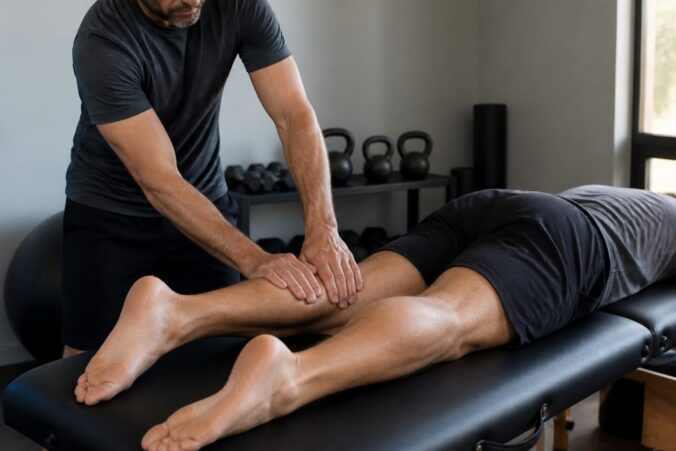
Table of Contents
- How Sports Medicine Massage Therapy Benefits Athletic Performance
- Accelerated Muscle Recovery and Healing
- Sports Massage Recovery Time: What to Expect
- Orthopedic Massage Techniques for Athletes
- Massage Therapy for Muscle Imbalances and Chronic Pain
- Pre-Event and Post-Event Massage Protocols
- Injury Prevention and Long-Term Athletic Longevity
- Frequently Asked Questions
Last Updated: September 25, 2026
How Sports Medicine Massage Therapy Benefits Athletic Performance
Sports medicine massage therapy benefits athletes by addressing performance limitations through strategic recovery, injury prevention, and correction of movement imbalances. Sports medicine massage therapy benefits athletes by addressing performance limitations through strategic recovery, injury prevention, and correction of movement imbalances.
Sports medicine massage therapy benefits differ from general massage through specificity: identifying trigger points that restrict range of motion, addressing myofascial restrictions that alter biomechanics, and enhancing blood flow to tissues under chronic demand.
Training creates muscle micro-tears, metabolic waste buildup, and neural tension that compromise movement quality. Sports medicine massage therapy benefits accelerate recovery by promoting circulation, reducing tension, and restoring elasticity, enabling more frequent, higher-quality training.
Pro Tip
The most overlooked aspect of sports massage is timing. Pre-event massage serves a different purpose than post-event work. Pre-event sessions focus on muscle activation and nervous system preparation, while post-event massage emphasizes recovery and metabolic waste removal. Mixing these protocols reduces their effectiveness.
The most overlooked aspect of sports massage is timing. Pre-event massage serves a different purpose than post-event work. Pre-event sessions focus on muscle activation and nervous system preparation, while post-event massage emphasizes recovery and metabolic waste removal. Mixing these protocols reduces their effectiveness.
Accelerated Muscle Recovery and Healing
Recovery speed determines return-to-training timelines. Muscle recovery requires removing metabolic byproducts, restoring glycogen, reducing inflammation, and repairing fibers, all processes that sports medicine massage therapy benefits accelerate.
Soft tissue mobilization increases local blood circulation, delivering oxygen and nutrients while removing metabolic waste, tissues with enhanced circulation heal faster than those recovering passively.
Delayed onset muscle soreness (DOMS) peaks 24-72 hours after intense training. While some soreness signals adaptation, excessive DOMS impairs training quality. Therapeutic massage reduces DOMS severity through lymphatic drainage and reduced inflammatory markers, improving training consistency.
Muscle strain healing occurs in three phases: inflammatory (48-72 hours), proliferative (weeks), and remodeling (months). Sports medicine massage therapy benefits vary by phase, early work prevents excessive scarring; later work aligns healing fibers along contraction direction for improved strength restoration.
Sports Massage Recovery Time: What to Expect
Recovery time after massage varies by intensity and baseline condition. Most athletes notice immediate improvements in range of motion and tension relief, though deeper adaptations driving long-term gains develop over multiple sessions.
Within 24 hours, athletes report reduced tightness and improved flexibility. Within 3-5 days, cumulative effects appear: smoother training, better coordination, and accelerated fatigue recovery from repeated mobilization and improved circulation.
Chronic conditions require 4-8 weeks of consistent sessions for substantial functional changes, allowing tissue remodeling and nervous system adaptation. Long-standing postural dysfunction requires more sessions since the neuromuscular system has adapted to dysfunction over months or years.
Between sessions, self-myofascial release (SMR) with foam rollers maintains gains and extends benefits. A 2-3 minute daily routine targeting problem areas keeps tissues mobile and prevents regression.
When NOT to Get a Sports Massage: Contraindications and Safety
Acute inflammation and recent injury contraindicate massage within 48-72 hours; aggressive work increases bleeding and worsens inflammation. RICE is appropriate; gentle techniques may resume after 72 hours under sports medicine guidance.
Fractures and suspected fractures absolutely contraindicate massage in the affected area. Massage over a fracture site can displace bone fragments or interfere with healing alignment. Even stress fractures, which may not show on initial imaging, require medical clearance before massage is safe.
Undiagnosed pain requires medical evaluation before massage. Sudden onset pain, movement-specific pain, or pain with swelling/bruising/loss of function needs physician clearance first, massage might mask serious conditions.
Thrombosis, varicose veins, and vascular conditions contraindicate massage. DVT is a medical emergency; massage can dislodge clots. Athletes with blood clot history, recent surgery, or prolonged immobility must disclose this before scheduling.
Skin infections, open wounds, and contagious conditions require postponement until fully resolved and cleared by a healthcare provider.
Fever or systemic illness contraindicate massage; increased circulation and metabolic demand can worsen symptoms or prolong illness.
Certain medications interact with massage. Blood thinners increase bruising risk; corticosteroids compromise healing. Athletes must disclose all medications so techniques can be adjusted.
Pregnancy requires specialized prenatal massage training. While massage can benefit pregnant athletes, certain techniques and pressure points are contraindicated, particularly in the first trimester. Only therapists trained in prenatal massage should work with pregnant clients.
Watch Out
If an athlete is unsure whether massage is safe for their condition, the default is to seek medical clearance first. A brief conversation with a sports medicine physician or athletic trainer takes minutes and prevents potential complications. No massage benefit is worth risking an athlete’s health.
If an athlete is unsure whether massage is safe for their condition, the default is to seek medical clearance first. A brief conversation with a sports medicine physician or athletic trainer takes minutes and prevents potential complications. No massage benefit is worth risking an athlete’s health.
Frequency Recommendations Based on Training Volume
Optimal frequency is one session every 7-10 days during heavy training, scaling to every 2-3 weeks during lighter phases, enough stimulus for adaptation without dependency.
Orthopedic Massage Techniques for Athletes
Orthopedic massage techniques target specific anatomical structures and movement dysfunctions to restore normal tissue mechanics and eliminate pain patterns compromising performance.
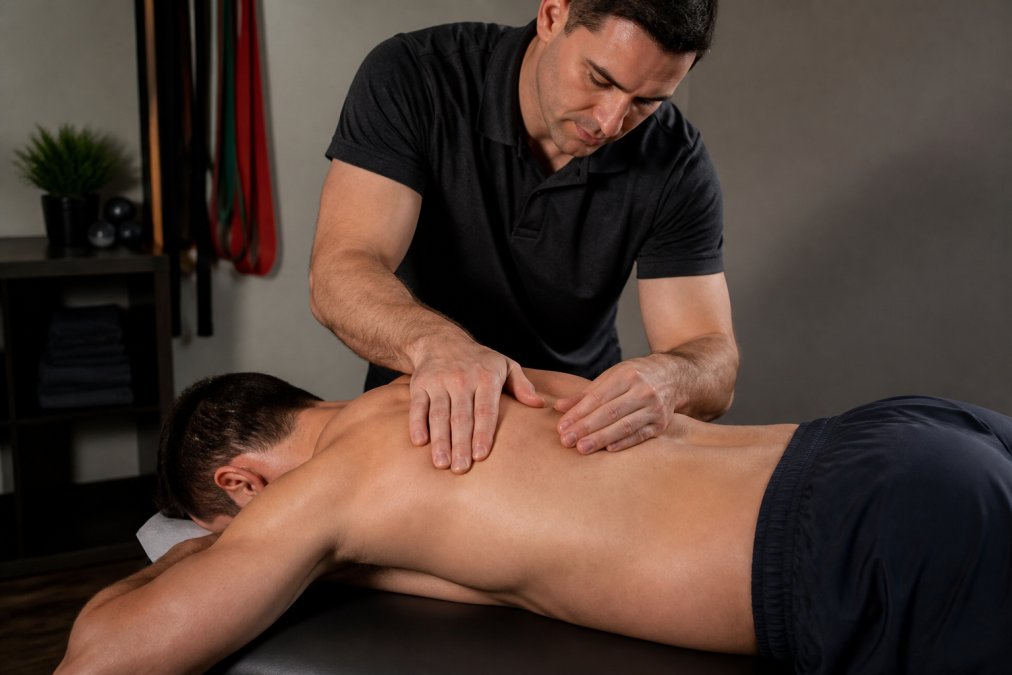
Massage Therapy for Muscle Imbalances and Chronic Pain
Muscle imbalances develop when certain muscles become chronically tight while antagonists weaken, tight hip flexors and weak glutes create knee pain; shoulder internal rotator tightness compromises throwing. These require targeted soft tissue work combined with movement correction, not stretching alone.
Pre-Event and Post-Event Massage Protocols
Pre-event and post-event massage serve different purposes; confusing them reduces effectiveness. Pre-event (15-30 minutes before) focuses on nervous system activation and muscle preparation. Post-event (within 2-4 hours) emphasizes recovery and metabolic waste removal.
Watch Out
A common mistake is treating massage as a substitute for proper warm-up or cool-down protocols. Pre-event massage enhances but does not replace dynamic warm-up. Post-event massage accelerates recovery but does not replace active recovery movement like easy walking or cycling.
A common mistake is treating massage as a substitute for proper warm-up or cool-down protocols. Pre-event massage enhances but does not replace dynamic warm-up. Post-event massage accelerates recovery but does not replace active recovery movement like easy walking or cycling.
Injury Prevention and Long-Term Athletic Longevity
Sports medicine massage therapy benefits injury prevention by maintaining tissue health and identifying dysfunction before symptoms appear. Many injuries develop gradually through accumulated movement dysfunction, subtle hip instability creates compensatory knee stress leading to pain and lost training time.
The Injury Prevention Paradox: Proactive vs. Reactive Massage
Most athletes seek massage only after pain develops, a reactive approach. However, proactive interventions are far more cost-effective and performance-preserving than reactive treatment.
Building a Preventive Massage Schedule: Sport-Specific Protocols
Distance runners and endurance athletes should schedule massage every 7-10 days during peak training; repetitive impact and high mileage create cumulative fatigue and overuse risk. Bi-weekly sessions during base-building phases are sufficient. Post-race, 1-2 sessions accelerate recovery.
Integrating Massage Into a Comprehensive Injury Prevention Program
Massage alone does not prevent injuries; it must integrate into a broader strategy combining strength training, movement quality work, and adequate recovery.
| Training Phase | Recommended Massage Frequency | Primary Focus | Supplementary Work |
|---|---|---|---|
| Base building (off-season) | Monthly to bi-weekly | Postural correction, chronic imbalance resolution | Strength building, mobility work |
| Build phase (pre-competition) | Bi-weekly to weekly | Tissue quality maintenance, emerging restriction identification | Sport-specific strength, movement patterns |
| Competition phase | Weekly | Acute recovery, injury prevention | Maintenance strength, active recovery |
| Taper/recovery (pre-major event) | Bi-weekly | Fine-tuning, nervous system preparation | Reduced training volume, sleep emphasis |
| Post-competition recovery | 1-2 sessions in first week, then bi-weekly | Acute recovery, tissue assessment | Active recovery movement, sleep |
Frequently Asked Questions
What are the primary benefits of sports medicine massage therapy?
Sports massage therapy benefits athletes by enhancing blood circulation, reducing muscle soreness, accelerating recovery time, and improving range of motion. It addresses delayed onset muscle soreness (DOMS), alleviates muscle tension, and supports injury prevention. Beyond physical gains, sports massage reduces stress and cortisol levels, promoting relaxation and mental clarity. These combined effects help athletes maintain peak performance and extend their athletic careers.
How does sports massage recovery time compare to recovery without massage?
Athletes who incorporate sports massage therapy into their training experience faster tissue healing and reduced inflammation compared to recovery without intervention. Regular massage sessions improve lymphatic drainage, which accelerates metabolic waste removal from muscles. This accelerated recovery allows athletes to return to training sooner with less residual muscle fatigue. The exact timeline depends on injury severity, training intensity, and massage frequency, making personalized assessment essential.
What is the difference between sports massage and deep tissue massage?
Sports massage therapy is specifically designed for athletic performance, injury prevention, and rehabilitation, incorporating soft tissue mobilization tailored to training demands. Deep tissue massage focuses on releasing chronic muscle tension without the athletic performance angle. Sports massage uses techniques like myofascial release and trigger point therapy integrated with sport-specific assessment. A qualified sports massage therapist understands biomechanics, training cycles, and injury patterns unique to athletes.
How often should athletes receive sports massage therapy?
Frequency depends on training intensity, competition schedule, and injury history. Competitive athletes often benefit from weekly or bi-weekly sessions during heavy training phases. Weekend warriors and recreational athletes may see results with monthly sessions combined with self-myofascial release (SMR) techniques. Pre-event massage (24-48 hours before competition) and post-event massage (within 24 hours after) follow different protocols. A sports massage therapist can recommend a schedule based on your specific needs and goals.
Can sports massage therapy help with chronic pain that hasn’t improved with other treatments?
Sports massage therapy addresses chronic pain by identifying and correcting underlying muscle imbalances, postural dysfunction, and trigger points that other treatments may miss. Through myofascial release and orthopedic assessment, a trained therapist can locate compensatory patterns and restricted movement that contribute to persistent discomfort. While results vary, many athletes with unresolved pain patterns experience significant relief when underlying biomechanical issues are corrected through targeted soft tissue work.
Are there any contraindications or safety concerns with sports massage therapy?
Sports massage is generally safe for healthy athletes, but certain conditions require caution or avoidance. Acute injuries, open wounds, severe inflammation, fever, or certain medical conditions may contraindicate massage. Pregnancy, blood clots, or recent surgery require modified protocols. A qualified sports massage therapist will conduct a thorough assessment before treatment to identify contraindications. Always disclose your full medical history and current medications so the therapist can adjust techniques appropriately and ensure your safety.
What should I expect during and after a sports massage session?
During a session, the therapist applies varying pressure to release muscle tension, improve circulation, and address trigger points. You may experience some discomfort during deep tissue work, but it should not be painful. After the session, increased blood flow and lymphatic drainage may cause mild soreness lasting 24-48 hours, similar to post-workout soreness. Most athletes report improved flexibility, reduced tension, and better movement quality immediately. Hydration and gentle activity afterward support recovery and maximize benefits.
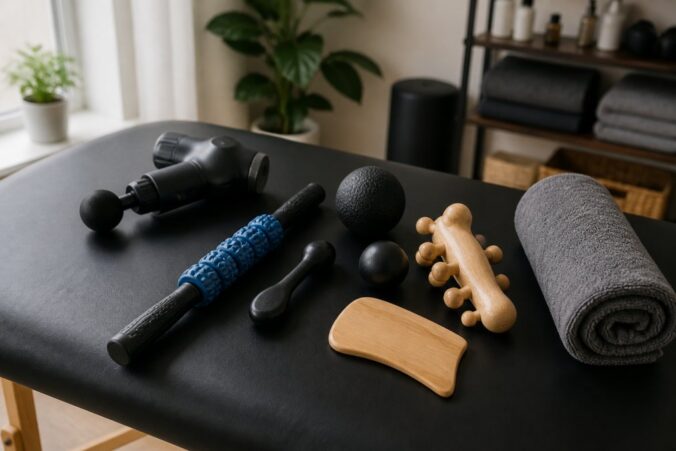
Table of Contents
- What Makes the Best Massage for Weekend Warriors
- Sports Massage Benefits for Athletes: How It Accelerates Recovery
- Deep Tissue Massage for Muscle Recovery and Tension Relief
- Orthopedic Massage for Chronic Pain and Movement Dysfunction
- Injury Prevention for Marathon Runners and Endurance Athletes
- Swedish Massage and Myofascial Release for Range of Motion
- Self-Massage Tools and Techniques: Foam Rolling and Percussion Therapy
- Post-Massage Recovery: Nutrition, Hydration, and Rest
- Frequently Asked Questions
Last Updated: September 3, 2026
What Makes the Best Massage for Weekend Warriors
If you’re training hard on weekends while working a desk job during the week, your body is caught between two worlds. You push through Saturday morning runs or Sunday soccer matches, then spend Monday through Friday hunched over a computer. The result: chronic muscle tension, delayed recovery, and the constant threat of injury that could sideline your training for weeks.
The best massage for weekend warriors isn’t about relaxation, it’s about performance. It’s therapeutic work designed to address the specific demands of someone who compresses intense athletic activity into a compressed schedule, then expects the body to recover while sitting still for 40 hours. At Frank A. Casucci III LMT, we’ve spent over two decades working with exactly this population: runners training for marathons, recreational soccer players, cyclists, and fitness enthusiasts who treat weekends like their second job.
What separates effective sports massage from generic spa work is specificity. The right approach targets the exact tissues that are breaking down under your training load, flushes metabolic waste that accumulates during intense effort, and restores range of motion before compensation patterns lock in. Below, we’ll walk through seven proven massage types that deliver measurable results for weekend warriors, and explain which one matches your particular demands.
Sports Massage Benefits for Athletes: How It Accelerates Recovery
Sports massage is specifically designed to address the physiological demands of athletic training. Unlike relaxation massage, it uses targeted pressure, active stretching, and movement-based techniques to influence how your muscles recover after hard efforts.
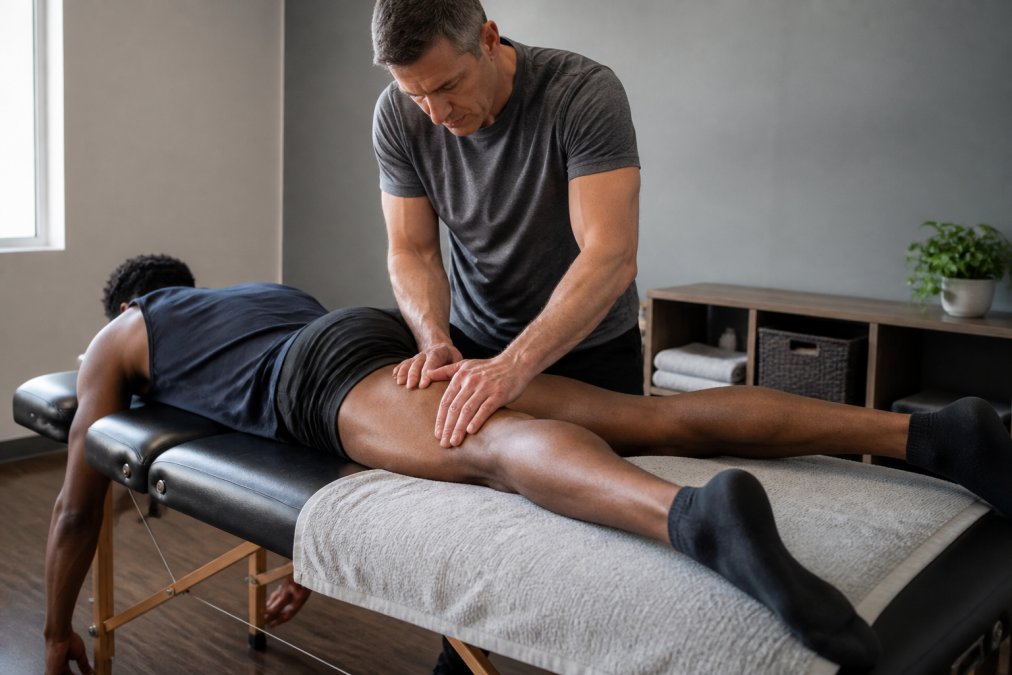
The mechanism is straightforward: intense training creates microscopic damage in muscle fibers and connective tissue. This triggers inflammation, necessary for adaptation, but also the source of soreness and stiffness. Sports massage accelerates the removal of metabolic waste products that accumulate in muscle tissue, improves circulation to speed nutrient delivery, and reduces the protective muscle tension that develops after hard workouts.
For weekend warriors specifically, sports massage serves a dual purpose. First, it addresses the acute soreness from your weekend training session. Second, it identifies and corrects the postural imbalances that develop during your weekday sedentary routine. A runner sitting in a chair all week develops hip flexor tightness that changes their running mechanics. A recreational athlete who lifts heavy on Sunday carries forward the muscle tension that compensation created. Sports massage catches these patterns before they become chronic pain or injury.
The timing matters. Most athletes see the best results from sports massage within 24-48 hours after intense training, when inflammation is peaked but acute soreness is setting in (peer-reviewed research).
Deep Tissue Massage for Muscle Recovery and Tension Relief
Deep tissue massage uses sustained pressure and slower strokes to reach the deeper layers of muscle and connective tissue where chronic tension lives. For weekend warriors, this is often the most immediately satisfying type of massage, you feel the work happening, and the relief is obvious.
The technique targets the muscle belly and the fascia that wraps around muscle groups. When you train hard, muscle fibers develop micro-tears and inflammation (peer-reviewed research). As inflammation resolves, scar tissue can form, and scar tissue is inelastic. It restricts range of motion and creates the stiff, locked-up feeling that persists for days after hard training. Deep tissue massage breaks down adhesions in this scar tissue and restores the muscle’s ability to lengthen and contract fully.
What makes deep tissue different from lighter massage is pressure and duration. A therapist applies sustained force perpendicular to the muscle fiber, often working across the grain rather than along it. This is uncomfortable during the session, many clients describe it as “good pain”, but the payoff is reduced soreness in the 24 hours after and noticeably improved flexibility within a few days.
For marathon runners and endurance athletes, deep tissue massage on the legs, hips, and lower back addresses the specific tissues that accumulate the most fatigue. For overhead athletes or weekend warriors with upper body training, the shoulders, chest, and upper back respond particularly well. The technique is less effective on acute injuries or areas with active inflammation, so timing your session after the acute soreness phase is important.
Orthopedic Massage for Chronic Pain and Movement Dysfunction
Orthopedic massage is assessment-driven work. A trained orthopedic massage therapist evaluates your movement patterns, identifies where dysfunction is occurring, and uses specific techniques to restore proper mechanics.
This is where Frank A. Casucci III LMT’s certification in Orthopedic Massage becomes relevant. Rather than treating the area where you feel pain, orthopedic massage traces dysfunction upstream and downstream. A weekend warrior with chronic lower back pain often doesn’t have a back problem, they have a hip problem, or an ankle problem, or a postural pattern that’s creating compensation. The back pain is the symptom. The dysfunction is elsewhere.
Orthopedic massage combines soft tissue work with movement assessment. A therapist might identify that your right hip is tight, which is forcing your lower back to rotate excessively during running. They’ll release the hip, then coach you through movement patterns to reinforce the new mechanics. This is why orthopedic massage often requires fewer sessions than other types to produce lasting change, you’re fixing the root cause, not treating the symptom.
For someone who’s been dealing with chronic pain for months or years despite physical therapy or chiropractic care, orthopedic massage offers a different lens. It’s particularly effective for patterns that other practitioners missed: shoulder dysfunction from desk posture affecting running form, ankle restriction limiting hip extension, rib cage immobility affecting breathing during training.
Injury Prevention for Marathon Runners and Endurance Athletes
Marathon training creates predictable injury patterns. The repetitive loading of running, combined with the cumulative fatigue of long training blocks, creates vulnerability in specific tissues: the plantar fascia, the IT band, the knee joint, and the hip complex.
Injury prevention for marathon runners isn’t about waiting until something hurts. It’s about identifying the vulnerabilities in your movement pattern before they become pain. A runner with restricted ankle dorsiflexion (the ability to pull your toes toward your shin) will compensate with excessive knee motion, which eventually creates knee pain. But the ankle restriction is the real problem.
Regular massage during a marathon training cycle addresses this proactively. Monthly or bi-weekly sessions allow a therapist to track how your tissues are responding to training load. Early signs of overuse, muscle tightness that isn’t resolving, fascial restrictions developing, compensation patterns emerging, get caught and corrected before they become injury. This is particularly valuable during the peak training phase of marathon prep, when the volume is highest and the risk of injury is greatest.
For endurance athletes, the mental component matters too. Knowing you have a therapist monitoring your tissues and catching problems early reduces the anxiety about injury that often accompanies high-mileage training. This translates to better training quality and fewer missed workouts due to fear.
Swedish Massage and Myofascial Release for Range of Motion
Swedish massage uses longer strokes, kneading, and circular movements to work with the muscle and the fascia that surrounds it. It’s lighter and more rhythmic than deep tissue work, making it a good choice when you need recovery without the intensity.
Myofascial release, work specifically targeting the fascia layer, has become increasingly recognized as critical for athletic performance. Fascia is connective tissue that wraps around every muscle, bone, and organ. When fascia becomes restricted or dehydrated, it limits range of motion and can create pain in areas far from where the restriction actually is.
Swedish massage combined with myofascial release techniques restores the glide and slide between tissue layers. A weekend warrior with tight shoulders might have fascia restriction in the pectoralis minor that’s limiting shoulder external rotation. Releasing this restriction restores range of motion that you didn’t even know you’d lost, which often translates to improved performance and reduced shoulder strain during training.
The rhythm of Swedish massage also activates the parasympathetic nervous system, which promotes recovery. After intense training, your nervous system is in a heightened state. Swedish massage helps shift you back toward rest-and-recover mode, which is when actual tissue adaptation happens. For this reason, Swedish massage is particularly effective in the days immediately following hard training, while deep tissue work is better suited for 3-5 days post-effort when acute soreness is established.
Self-Massage Tools and Techniques: Foam Rolling and Percussion Therapy
Between professional sessions, self-massage tools extend your recovery work. Foam rolling and percussion therapy (massage guns) aren’t replacements for professional massage, but they address the same tissues and can accelerate recovery when used strategically.
Foam rolling uses sustained pressure and slow movement to release muscle tension and fascia restriction. For weekend warriors, a basic foam roller addresses large muscle groups effectively: quads, hamstrings, IT band, and calves respond well to rolling.
For more aggressive work on stubborn muscle knots, the Rumble Roller uses a knobbed surface that targets trigger points more intensely. This works well for athletes with chronic tension in specific spots, a runner with persistent calf tightness, or a desk worker with chronic upper back knots. The trade-off is that it’s uncomfortable to use, which is why most athletes progress from a smooth roller to a textured one only after building tolerance.
Percussion therapy devices like the Theragun Prime Plus deliver rapid, repetitive strikes to muscle tissue. This is different from the sustained pressure of foam rolling, it’s designed to stimulate muscle fibers and improve circulation quickly. Most athletes use percussion therapy for 30-60 seconds per muscle group, 2-3 times weekly, often immediately after training. The Theragun Prime Plus offers enough power and control for most weekend warriors, with multiple speed settings and a reasonable battery life.
The key with self-massage tools is consistency without overdoing it. A weekend warrior who rolls out their legs for 2 minutes daily sees better results than someone who hammers their muscles for 15 minutes once weekly. Self-massage is maintenance work, it keeps tissues supple between professional sessions.
Post-Massage Recovery: Nutrition, Hydration, and Rest
What you do in the hours after a massage session determines how much benefit you actually retain. Too many athletes get a massage, feel great, and then immediately go back to their normal routine, dehydrated, underfed, and stressed. This wastes the recovery opportunity.
Massage increases circulation and lymphatic flow. It mobilizes metabolic waste that’s been sitting in your muscles. But if you don’t provide the resources for your body to actually clear this waste and repair tissue, the benefits fade quickly.
Hydration is the first priority. Massage stimulates fluid movement in your tissues. You need adequate water to support this process and to help your kidneys filter out the metabolic waste that’s been mobilized. Most athletes should drink 20-30 ounces of water in the 2-3 hours after massage (the CDC). If you’re dehydrated going into the massage, your tissues won’t respond as well, and you’ll feel worse the next day.
Protein and carbohydrates matter next. Your muscles were just worked, fascia was released, circulation was increased, and tissue repair was stimulated. Your body needs amino acids to rebuild and carbohydrates to replenish glycogen that was depleted during training. A post-massage meal with both (a chicken sandwich, pasta with protein, or a protein smoothie with fruit) supports the recovery process.
Rest is the final piece. Massage is recovery work, but it’s still work, your nervous system is activated, your circulation is elevated, and your tissues are in an active repair phase. Intense training or stressful work immediately after massage interferes with this process. Ideally, you’d schedule massage for an evening or a day when you don’t have hard training planned. At minimum, keep the 4-6 hours after massage relatively low-stress.
The best massage for weekend warriors isn’t a one-size-fits-all answer. It depends on whether you’re recovering from hard training, addressing chronic pain that’s been holding you back, or trying to prevent injury during a heavy training block. Frank A. Casucci III LMT specializes in identifying exactly which approach, or combination of approaches, will move the needle for your specific situation. With over two decades of experience working with athletes and active individuals, and certifications in Orthopedic Massage, Kinesio Taping, and Craniosacral Therapy, Frank excels at correcting the body imbalances and chronic pain patterns that keep weekend warriors from performing at their best. Schedule a consultation to discuss your training demands and recovery goals.
Frequently Asked Questions
Q: What is the best type of massage to get for an athlete?
A: The best massage for weekend warriors depends on your specific needs. Sports massage focuses on muscle recovery and injury prevention, while deep tissue massage addresses chronic tension and knots. Orthopedic massage targets movement dysfunction and chronic pain patterns. For marathon runners and endurance athletes, a combination of sports massage and myofascial release can help maintain range of motion and flush metabolic waste. A qualified massage therapist can assess your body and recommend an approach based on your sport and current condition.
Q: How often should weekend warriors get a massage?
A: Frequency depends on your training intensity and goals. Weekend warriors training 3-4 times weekly may benefit from regular massage sessions for maintenance and injury prevention. During heavy training phases or when preparing for events, more frequent sessions can help manage muscle tension and accelerate recovery. After intense workouts, even a single session can help reduce soreness and inflammation. Listen to your body and adjust frequency based on how you feel. A professional massage therapist can recommend a schedule tailored to your sport and training volume.
Q: Can massage therapy help with chronic pain from weekend workouts?
A: Yes. Orthopedic massage and deep tissue techniques are specifically designed to address chronic pain patterns caused by repetitive movement and muscle imbalances. These methods work by releasing trigger points, improving circulation, and restoring proper soft tissue function. Many weekend warriors who have tried physical therapy or chiropractic care find that massage therapy can identify and address underlying dysfunction. Consistent care may be required to prevent recurrence.
Q: What should I look for in a professional massage therapist for sports recovery?
A: Choose a therapist certified in sports massage, orthopedic massage, or both. Verify they hold a current license and membership in professional organizations like the American Massage Therapy Association. Experience working with athletes, especially in your sport, is crucial. Ask whether they use techniques like myofascial release, trigger point therapy, and kinesio taping. A good therapist will assess your movement patterns, ask detailed questions about your training, and explain their approach. They should focus on identifying chronic pain patterns and body imbalances, not just providing a relaxing experience.
Q: What are the benefits of sports massage for injury prevention?
A: Sports massage can improve athletic performance by enhancing circulation, reducing muscle tension, and addressing movement dysfunction before it causes injury. Regular sessions can help maintain flexibility and range of motion, reduce inflammation, and help flush metabolic waste that builds up during training. By addressing tight muscles and imbalances early, sports massage can help prevent the compensation patterns that lead to injury. Athletes who receive preventative massage may experience faster recovery time between workouts, better performance, and fewer training interruptions due to pain or injury.
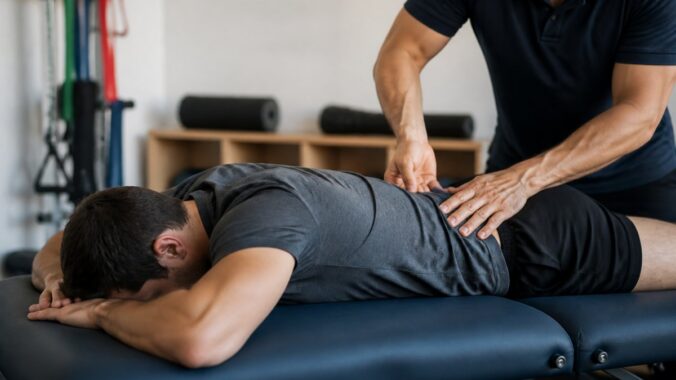
Table of Contents
- What Is Orthopedic Massage and How It Prevents Injury
- Benefits of Orthopedic Massage Therapy for Active Individuals
- How Orthopedic Massage Improves Range of Motion and Flexibility
- Orthopedic Massage Techniques for Athletes and Performance
- Addressing Muscle Imbalances and Biomechanical Stress
- Self-Myofascial Release Techniques for Injury Prevention
- When to Seek Professional Orthopedic Massage and Safety Considerations
- Frequently Asked Questions
Last Updated: September 27, 2026
What Is Orthopedic Massage and How It Prevents Injury
[Orthopedic massage](/benefits-of-orthopedic-massage-therapy/) for injury prevention is a specialized form of therapeutic massage that targets the musculoskeletal system to identify, treat, and prevent injuries before they occur. Unlike general relaxation massage, orthopedic massage focuses on the relationship between muscles, tendons, ligaments, and joints, addressing the biomechanical imbalances and movement patterns that lead to pain and dysfunction.
At Frank A. Casucci III LMT, we understand that injury doesn’t happen in isolation. It develops gradually through repetitive stress, postural dysfunction, and compensatory movement patterns. Orthopedic massage works by releasing trigger points and adhesions, areas of stuck or damaged soft tissue, that restrict movement and create cascading problems throughout the body. By addressing these issues early, athletes and active individuals can maintain optimal performance while avoiding the downtime that injuries demand.
The prevention aspect is critical. Many people wait until pain becomes unbearable before seeking help. By then, the problem has often spread to surrounding tissues through compensation. Professional orthopedic massage for injury prevention intercepts this cycle. It improves blood flow and circulation to tissues, reduces muscle tension, and restores proper movement patterns before dysfunction becomes injury.
Key Takeaway
Orthopedic massage for injury prevention targets the root causes of movement dysfunction, trigger points, adhesions, and biomechanical imbalances, rather than just treating symptoms after injury occurs.
Orthopedic massage for injury prevention targets the root causes of movement dysfunction, trigger points, adhesions, and biomechanical imbalances, rather than just treating symptoms after injury occurs.
Benefits of Orthopedic Massage Therapy for Active Individuals
The benefits of orthopedic massage therapy extend far beyond temporary relief. For athletes, dancers, and weekend warriors, regular sessions create a foundation of muscular health that directly translates to improved performance and reduced injury risk.
One of the most significant benefits is enhanced recovery. Active individuals place enormous demands on their bodies. Orthopedic massage accelerates the removal of metabolic waste products and reduces inflammation in overworked muscle groups. This means faster recovery between training sessions and competitions. Athletes who incorporate orthopedic massage into their routine may find they can train harder and more frequently.
Range of motion and flexibility improve measurably. When muscles are tight and adhesions restrict movement, joints can’t move through their full range. This creates compensation patterns, other muscles take on work they weren’t designed for, leading to new injuries. Orthopedic massage releases these restrictions, allowing joints to move freely. Dancers particularly benefit, as their activities demand extreme ranges of motion that can be hindered by restricted soft tissue.
The benefits of orthopedic massage therapy also include pain reduction without medication. Chronic muscle tension creates a self-perpetuating cycle: tight muscles restrict blood flow, which reduces oxygen delivery, which increases pain signals, which causes more tension. Breaking this cycle through targeted soft tissue work provides relief that lasts because it addresses the underlying cause rather than masking symptoms.
Pro Tip
Schedule orthopedic massage sessions before your training peaks, not after injury strikes. Preventative care maintains the tissue quality and movement patterns that keep you performing at your best.
Schedule orthopedic massage sessions before your training peaks, not after injury strikes. Preventative care maintains the tissue quality and movement patterns that keep you performing at your best.
How Orthopedic Massage Improves Range of Motion and Flexibility
Restricted range of motion is one of the earliest warning signs that injury is developing. When muscles lose flexibility, joints compensate by moving in altered patterns. Over time, this compensation creates stress on structures that weren’t designed to handle it, leading to tendinitis, bursitis, and joint pain.
Orthopedic massage for injury prevention restores range of motion by addressing the soft tissue restrictions that limit movement. Trigger points, hyperirritable spots within muscle tissue, contract and shorten muscle fibers, reducing the distance a joint can move. Adhesions, scar tissue or areas of inflammation, glue muscle fibers together, preventing the smooth sliding motion necessary for full range. When a massage therapist releases these restrictions, the muscle can lengthen fully again.
The process involves specific techniques. Soft tissue mobilization, direct pressure applied to restricted areas, breaks apart adhesions and releases trigger points. Myofascial release, sustained pressure on the fascia, the connective tissue surrounding muscles, restores elasticity and allows tissues to glide freely. These aren’t aggressive techniques. They’re precise, targeted interventions that work with the body’s natural healing response.
Flexibility improves as a direct result. A muscle that was shortened by trigger points can now lengthen fully. A joint that was restricted by adhesions can now move through its complete range. Athletes notice this immediately, movements feel smoother, easier, and more powerful. The improved range of motion also distributes stress more evenly across muscle groups during activity, which is one of the most effective injury prevention strategies available.
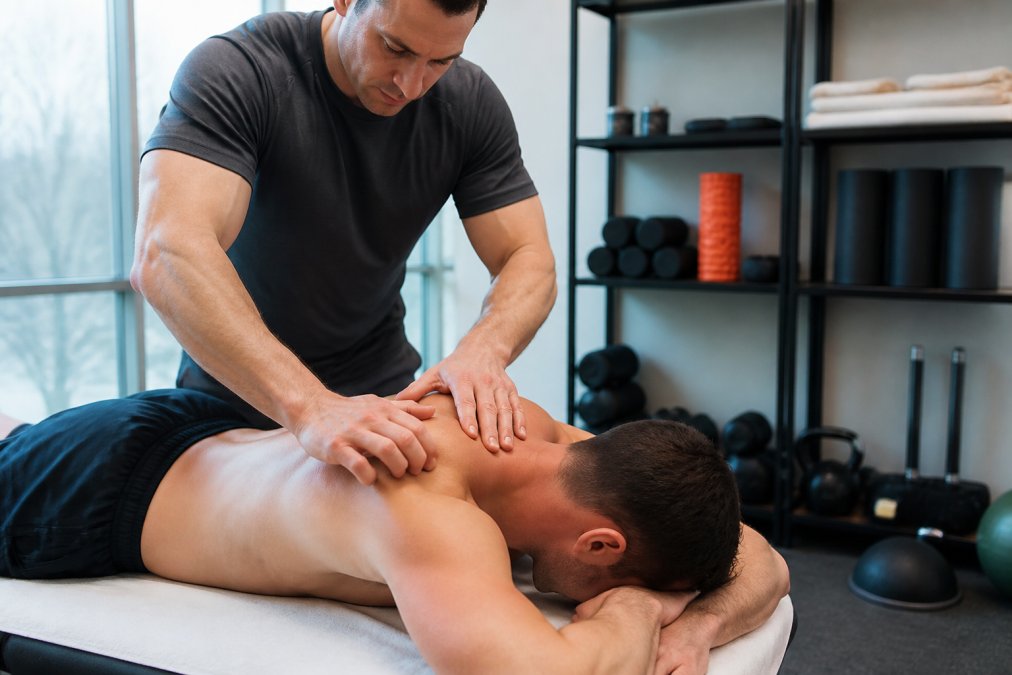
Orthopedic Massage Techniques for Athletes and Performance
Athletes face unique demands that require specialized approaches. Orthopedic massage techniques for athletes are designed to address the specific movement patterns and injury risks of their sport while enhancing performance capabilities.
Cross-friction massage is one of the most effective techniques for athletic populations. This method involves applying pressure across the grain of muscle fibers, which breaks apart adhesions and stimulates the healing response. It’s particularly valuable for chronic soft tissue injuries that haven’t responded to rest alone. The technique creates controlled inflammation that triggers the body’s repair mechanisms, ultimately strengthening the tissue.
Trigger point release directly addresses the localized areas of muscle tension that restrict movement and cause referred pain. An athlete might feel pain in their knee, but the actual problem originates in tight hip muscles creating biomechanical stress. Orthopedic massage for injury prevention identifies these patterns and releases the trigger points at their source. This approach prevents the compensation patterns that turn a single tight muscle into a full-body dysfunction.
Myofascial release techniques work on a larger scale, addressing the interconnected network of fascia that surrounds and penetrates every muscle. When fascia becomes restricted, it limits movement and creates tension throughout muscle groups. Sustained pressure applied to these areas restores the fascia’s elasticity and allows muscles to function independently again. For athletes, this translates to smoother movement patterns and reduced injury risk.
Performance enhancement is a direct outcome. When muscles work efficiently and joints move through their complete range, athletic power increases. Runners experience faster times, jumpers achieve greater height, and strength athletes lift more weight, all because their bodies are functioning optimally rather than compensating around restrictions.
Addressing Muscle Imbalances and Biomechanical Stress
Muscle imbalances are one of the most common causes of cumulative trauma disorders and sports injuries. The human body develops these imbalances through repetitive activity, postural habits, and training patterns that overuse certain muscles while neglecting others. A runner might develop powerful quads but weak glutes. A tennis player might have overdeveloped shoulder muscles on their dominant side. These imbalances create biomechanical stress that eventually leads to injury.
Watch Out
Ignoring muscle imbalances leads to progressive dysfunction. What starts as minor tightness in one muscle group becomes compensation patterns throughout the body, eventually manifesting as injury that sidelines you for weeks or months. Address imbalances early through orthopedic massage for injury prevention.
Ignoring muscle imbalances leads to progressive dysfunction. What starts as minor tightness in one muscle group becomes compensation patterns throughout the body, eventually manifesting as injury that sidelines you for weeks or months. Address imbalances early through orthopedic massage for injury prevention.
Self-Myofascial Release Techniques for Injury Prevention
While professional orthopedic massage is essential, athletes can extend the benefits between sessions through self-myofascial release. This involves using tools and techniques to apply pressure to your own soft tissue, releasing trigger points and adhesions independently.
| Self-Myofascial Release Technique | Best For | Frequency | Duration |
|---|---|---|---|
| Foam rolling | Large muscle groups (quads, IT band, calves) | 3-4 times weekly | 60-90 seconds per area |
| Lacrosse ball | Specific trigger points, hard-to-reach areas | Daily or 5-6 times weekly | 60-90 seconds per point |
| Hand pressure | Small muscles, precise locations | Daily | 60-90 seconds per point |
| Dynamic stretching | Combined with self-release | Daily | 30 seconds per stretch |
When to Seek Professional Orthopedic Massage and Safety Considerations
While self-myofascial release is valuable, certain situations require professional intervention. Understanding when to seek orthopedic massage for injury prevention ensures you’re getting the right treatment at the right time.
Frequently Asked Questions
What is the difference between orthopedic massage and standard sports massage?
Orthopedic massage focuses on assessing and treating specific musculoskeletal dysfunctions through therapeutic tissue manipulation, while sports massage is broader and emphasizes recovery and performance enhancement. Orthopedic massage uses detailed biomechanical assessment to identify root causes of pain and dysfunction, making it ideal for injury prevention and chronic conditions. Sports massage can serve maintenance and recovery purposes without necessarily addressing underlying imbalances.
How often should athletes receive orthopedic massage for injury prevention?
Frequency depends on your training intensity, injury history, and specific goals. Many athletes benefit from monthly or bi-weekly sessions for preventative care, while those addressing active injuries or significant imbalances may need weekly sessions initially. A qualified orthopedic massage therapist can assess your needs during a consultation and recommend a schedule tailored to your training cycle and recovery demands.
Can orthopedic massage help with chronic pain that hasn’t improved with other treatments?
Yes. Orthopedic massage identifies and addresses soft tissue restrictions, adhesions, and trigger points that may underlie chronic pain patterns. Many individuals find relief after traditional treatments haven’t resolved their issues because orthopedic assessment targets the specific tissue dysfunction causing the problem. However, chronic pain can have multiple causes, so professional evaluation is essential to determine if massage therapy is appropriate for your situation.
What specific techniques are used in orthopedic massage therapy?
Common techniques include soft tissue mobilization, trigger point release, myofascial release targeting adhesions and scar tissue, and joint mobility work. Therapists assess muscle groups for imbalances and restrictions, then apply sustained pressure, cross-fiber friction, or stretching techniques to restore function. Each session is customized based on your assessment findings and injury prevention goals.
Is orthopedic massage safe for all types of injuries?
Orthopedic massage is effective for most soft tissue injuries and chronic pain, but certain conditions require caution or professional guidance first. Acute inflammation, hematomas, fractures, and specific medical conditions may have contraindications. A consultation with your healthcare provider and a qualified orthopedic massage therapist ensures treatment is appropriate and safe for your specific situation.
How does orthopedic massage improve athletic performance?
By correcting biomechanical imbalances and restoring proper muscle function, orthopedic massage enhances movement efficiency and reduces compensatory patterns that limit performance. Improved blood flow and circulation support faster recovery between training sessions. Athletes experience better range of motion, reduced muscle tension, and more efficient movement patterns, all of which contribute to improved performance and reduced injury risk.
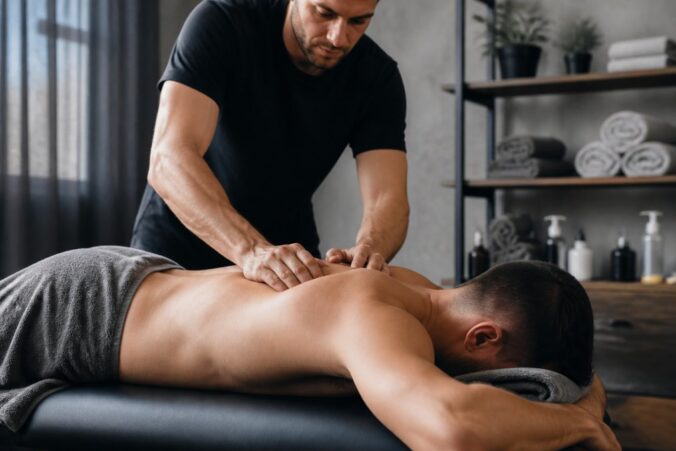
Table of Contents
- Why Book Sports Injury Massage for Athletic Recovery
- How to Prepare for a Sports Massage Session
- What to Expect During a Sports Injury Massage
- Benefits of Orthopedic Massage for Athletes
- Medical Massage vs. Relaxation Massage: What’s the Difference
- Common Sports Injuries Treated with Therapeutic Massage
- How to Book Your Sports Injury Massage Appointment
- Self-Care Protocols Between Massage Sessions
- Frequently Asked Questions
Last Updated: August 29, 2026
Why Book Sports Injury Massage for Athletic Recovery
Sports injury massage targets the soft tissue damage, muscle tension, and biomechanical imbalances that result from athletic activity. Unlike standard relaxation massage, therapeutic massage for sports injuries addresses root causes of dysfunction: chronic pain patterns, postural imbalances, and mobility restrictions.
When muscles, tendons, and fascia are compromised by injury or overuse, they develop adhesions, trigger points, and restrictions that limit range of motion and increase re-injury risk. Therapeutic massage breaks these patterns down, restores tissue elasticity, and accelerates healing. The result is faster recovery, reduced pain, and the ability to return to training sooner.
Frank A. Casucci III LMT has spent over two decades working with professional athletes, dancers, and weekend warriors, identifying exactly which soft tissue restrictions are holding back performance and addressing them with precision.
Key Takeaway
Sports injury massage is preventative and rehabilitative. It addresses the biomechanical dysfunction that causes injury in the first place, then accelerates healing once injury occurs.
Sports injury massage is preventative and rehabilitative. It addresses the biomechanical dysfunction that causes injury in the first place, then accelerates healing once injury occurs.
How to Prepare for a Sports Massage Session
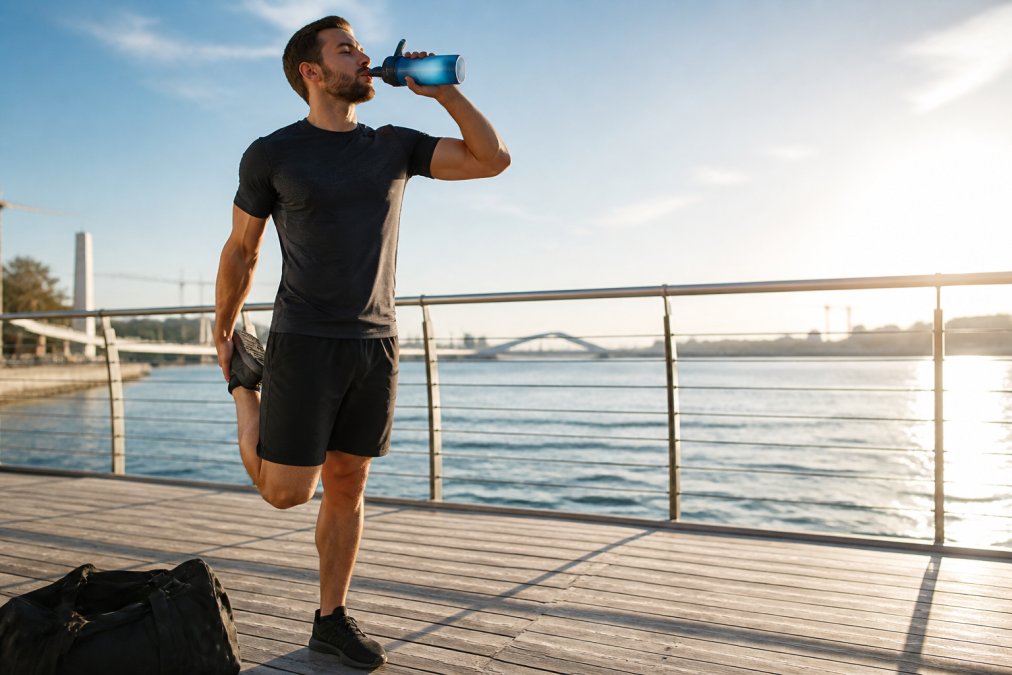
Hydration is non-negotiable. Well-hydrated tissue responds better to manipulation, recovers faster, and experiences less soreness post-treatment. Drink water consistently in the 24 hours before your appointment.
Light activity before your session keeps tissue pliable and warm. Arriving stiff from sitting all day means the therapist spends valuable time warming tissue rather than treating dysfunction. If you’ve been sedentary, arrive 10-15 minutes early and do some light movement.
Wear comfortable clothing you can easily remove. Sports massage typically involves minimal clothing to access affected areas. Bring athletic wear if needed.
Communicate your injury history clearly. Describe what happened, when it happened, what movements aggravate it, and what you’ve already tried. The more context the therapist has, the more precisely they can target treatment.
Avoid heavy meals 2-3 hours before your appointment. Deep tissue work on a full stomach can cause nausea.
Pro Tip
If you’re taking pain medication or anti-inflammatories, mention this during intake. Some medications mask pain signals, which means the therapist can’t read your feedback accurately during treatment.
If you’re taking pain medication or anti-inflammatories, mention this during intake. Some medications mask pain signals, which means the therapist can’t read your feedback accurately during treatment.
What to Expect During a Sports Injury Massage
A sports injury massage session is structured, focused work. Expect the therapist to spend 10-15 minutes assessing your condition before beginning treatment, asking specific questions about pain patterns, injury history, and athletic goals. They’ll palpate the affected area, test range of motion, and identify restrictions.
Once treatment begins, you’ll feel sustained pressure, not light stroking. Deep tissue work accesses muscle layers where adhesions and trigger points develop. The pressure should be intense enough to reach problem tissue but not so extreme that you’re bracing against pain. You should be able to breathe normally and communicate when pressure needs adjustment.
Sports injury massage focuses on specific regions causing dysfunction rather than your entire body. If your lower back is the issue, the session might concentrate 70% of time on the lumbar region, glutes, and hip flexors.
Communication during the session is essential. If pressure is too intense, say so. Sharp, shooting, or radiating pain should stop immediately, that’s a signal to adjust technique or location.
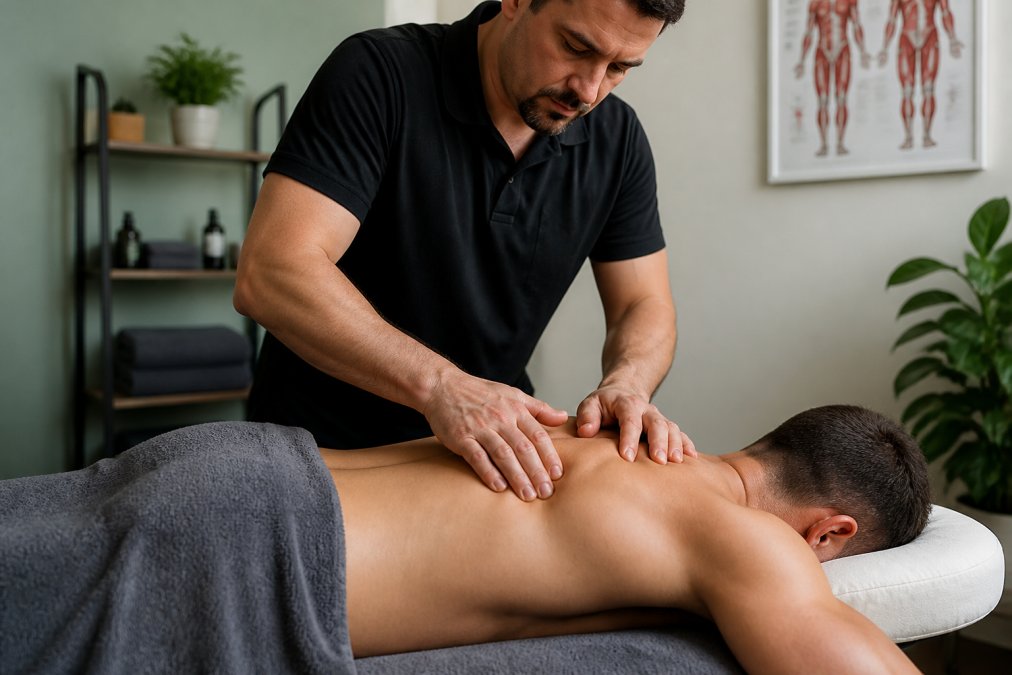
Post-session soreness is normal for 24-48 hours afterward (peer-reviewed research). This is the normal response of tissue being mobilized and beginning to heal.
Watch Out
If you experience sharp, shooting pain during the session or severe swelling afterward, contact your therapist immediately. This can indicate that treatment intensity was too aggressive for your current tissue state.
If you experience sharp, shooting pain during the session or severe swelling afterward, contact your therapist immediately. This can indicate that treatment intensity was too aggressive for your current tissue state.
Benefits of Orthopedic Massage for Athletes
Orthopedic massage, the clinical application of massage therapy to musculoskeletal conditions, delivers specific, measurable improvements in athletic function and injury recovery.
The primary benefit is restoration of mobility. Restricted range of motion is one of the earliest signs of soft tissue injury or chronic tension. A runner with restricted hip mobility develops compensation patterns that eventually cause knee or ankle pain. Restoring hip range of motion prevents that cascade.
Pain reduction follows from restored tissue function. Trigger points, localized areas of hyperirritability in muscle, refer pain to distant locations. Orthopedic massage identifies and releases these points, addressing pain at its source.
Injury prevention is the third major benefit. Athletes with chronic imbalances, postural dysfunction, and restricted mobility are at constant risk of acute injury. Orthopedic massage corrects these patterns before they cause damage.
Recovery acceleration is measurable. Therapeutic massage modulates inflammatory response, improves circulation to injured tissue, and stimulates the healing cascade. Athletes who receive massage after injury return to training sooner than those who don’t.
At Frank A. Casucci III LMT, orthopedic massage is combined with other clinical techniques, Kinesio Taping, Craniosacral Therapy, and customized protocols, to address the complete picture of your dysfunction.
Medical Massage vs. Relaxation Massage: What’s the Difference
Relaxation massage prioritizes comfort and stress relief using moderate pressure and rhythmic techniques designed to calm the nervous system. It feels good and provides temporary relief but is not therapeutic treatment.
Medical massage, also called clinical or orthopedic massage, is treatment. It targets specific musculoskeletal dysfunction, uses advanced assessment techniques, and applies precise pressure to address the root cause of pain or limitation. Sessions focus on problem areas with often intense pressure. The goal is functional improvement afterward, not comfort during the session.
The therapist’s training differs significantly. Relaxation therapists learn general techniques and anatomy basics. Medical massage therapists study clinical assessment, pathology, biomechanics, and advanced soft tissue techniques. They understand how to identify restrictions and apply treatment that changes tissue structure and function.
Insurance and billing reflect this distinction. Relaxation massage is typically not covered by insurance because it’s wellness care. Medical massage is often covered because it’s treatment for a diagnosed condition.
Medical massage can feel uncomfortable during treatment, intense pressure, stretching that reaches your edge of tolerance, techniques that address pain directly. This discomfort is purposeful; it means tissue is being mobilized.
Choose relaxation massage for general wellness and stress relief. Choose medical massage when you have a specific injury, chronic pain pattern, or performance goal that requires targeted treatment.
Best For
Medical massage is appropriate for athletes recovering from injury, individuals with chronic pain patterns, and anyone whose dysfunction hasn’t resolved through general care. Relaxation massage is better for general stress relief and maintenance wellness.
Medical massage is appropriate for athletes recovering from injury, individuals with chronic pain patterns, and anyone whose dysfunction hasn’t resolved through general care. Relaxation massage is better for general stress relief and maintenance wellness.
Common Sports Injuries Treated with Therapeutic Massage
Therapeutic massage addresses many sports-related injuries and chronic conditions.
Hamstring strain is one of the most common running injuries. Massage accelerates healing by improving circulation, reducing inflammation, and restoring tissue elasticity.
Rotator cuff dysfunction affects overhead athletes, swimmers, tennis players, and baseball players. Massage addresses the muscle imbalances and trigger points that create dysfunction, restoring stability and reducing pain.
Lower back pain from sports is frequently caused by tight hip flexors, glute dysfunction, and lumbar muscle tension. Therapeutic massage identifies which muscles are driving the pain pattern, releases restrictions, and restores proper firing patterns.
IT band syndrome affects runners and cyclists. Massage to the hip, glutes, and lateral thigh relieves tension in the IT band.
Ankle sprains create lingering instability long after acute injury heals. Massage breaks down restrictive scar tissue, restores mobility in the ankle joint, and prepares tissue for proprioceptive retraining.
Neck and shoulder tension from postural strain or repetitive sports movements creates trigger points that refer pain into the head, arms, and upper back. Targeted massage releases these points and corrects muscle imbalances.
Frank A. Casucci III LMT has worked extensively with professional dancers and athletes treating these specific injuries.
How to Book Your Sports Injury Massage Appointment
Start by gathering information about the therapist’s qualifications. Look for certifications in orthopedic massage, sports medicine, or clinical bodywork. Check for state licensure and verify the license number with your state’s massage therapy board.
Describe your injury or condition clearly when you book. Explain what happened, when it happened, what movements cause pain, and what you’ve already tried. If you’ve seen a physical therapist or other provider, mention what they found.
Ask about session length and structure. Most therapeutic massage sessions are 60 or 90 minutes. Shorter sessions work for maintenance or minor issues but are usually insufficient for addressing significant dysfunction.
Confirm the therapist’s experience with your specific condition. Specialized experience matters.
Discuss your goals and timeline. Are you recovering from acute injury? Managing chronic pain? Training for a specific event? Clear goals help the therapist design a treatment plan that matches your needs.
Pro Tip
Request a consultation call before booking if you’re uncertain whether massage is right for your situation. A qualified therapist will honestly assess whether your condition is appropriate for massage or whether you need other care first.
Request a consultation call before booking if you’re uncertain whether massage is right for your situation. A qualified therapist will honestly assess whether your condition is appropriate for massage or whether you need other care first.
Self-Care Protocols Between Massage Sessions
The work between sessions determines your results as much as the sessions themselves.
Hydration is the foundation. Massage mobilizes tissue and stimulates circulation, which increases metabolic demand. Drink water consistently for 48 hours after treatment (the NIH). Aim for half your body weight in ounces daily (the CDC).
Movement and stretching should be gentle in the 24-48 hours immediately after treatment. Do light mobility work, easy walking, gentle yoga, and dynamic stretching that maintains gains without creating new stress.
Contrast therapy, alternating hot and cold, improves circulation and reduces inflammation. After the first 48 hours, use a warm shower or heating pad for 10-15 minutes, followed by 2-3 minutes of cold. Repeat 2-3 times.
Self-myofascial release using a foam roller or massage ball extends benefits between sessions. Focus on treated areas, spending 1-2 minutes per muscle group and pausing on tender points.
Postural awareness throughout the day prevents your body from returning to dysfunction. If your therapist corrected forward shoulder posture, consciously maintain neutral posture during work and training.
Activity modification is critical if you’re injured. Massage creates the healing environment, but continuing the activity that caused injury will re-injure you. Work with your therapist to understand appropriate activity levels during recovery.
Sleep quality accelerates healing. Prioritize 7-9 hours nightly, especially in the first 2 weeks after injury.
Nutrition supporting inflammation management helps tissue heal. Adequate protein provides building blocks for tissue repair. Anti-inflammatory foods like fatty fish, berries, leafy greens, and olive oil support the healing cascade.
Book sports injury massage when you’re ready to address the root cause of pain and dysfunction rather than just managing symptoms. Frank A. Casucci III LMT brings over two decades of experience identifying exactly which soft tissue restrictions are limiting your performance or causing pain, then addressing them with precision. Whether you’re recovering from acute injury, managing chronic pain patterns, or optimizing athletic performance, specialized sports massage creates the foundation for healing and peak function. Schedule your consultation and take the first step toward moving and feeling your best.
Frequently Asked Questions
How do I know if a massage therapist is qualified for sports injury rehabilitation?
Look for therapists certified in orthopedic massage, sports medicine massage, or clinical bodywork. Verify they hold a current state massage license and membership in professional organizations like the American Massage Therapy Association (AMTA). Ask about their experience treating your specific injury and whether they’ve worked with athletes or sports teams. A qualified therapist will assess your injury, understand biomechanics, and create a customized treatment plan rather than offering generic massage.
What’s the difference between medical massage and regular sports massage?
Medical massage targets specific musculoskeletal conditions and soft tissue damage with therapeutic intent, often integrating with physical therapy or rehabilitation protocols. It focuses on injury recovery, correcting body imbalances, and restoring mobility. Regular relaxation massage prioritizes stress relief and general wellness. Medical massage requires assessment of your injury, range of motion testing, and evidence-based treatment planning. A certified therapist trained in orthopedic massage or clinical bodywork can identify dysfunction and apply targeted techniques like myofascial release or trigger point therapy.
How often should I book sports injury massage for chronic pain or injury recovery?
Frequency depends on your injury severity, recovery goals, and treatment plan. Acute injuries may benefit from weekly or bi-weekly sessions initially, while chronic pain management often requires ongoing maintenance sessions every 2-4 weeks. A qualified therapist will assess your condition and recommend a timeline based on your specific musculoskeletal issues and athletic performance goals.
What should I look for when booking a sports massage therapist?
Verify state licensure, certifications in orthopedic massage or sports medicine, and experience treating your specific injury type. Ask about their background working with athletes at your level, whether professional, collegiate, or recreational. Confirm they offer customized treatment plans and use evidence-based techniques like myofascial release, trigger point therapy, or kinesio taping. Read reviews mentioning injury recovery results, not just relaxation. A therapist should conduct an assessment, explain their approach, and discuss realistic recovery expectations before your first session.
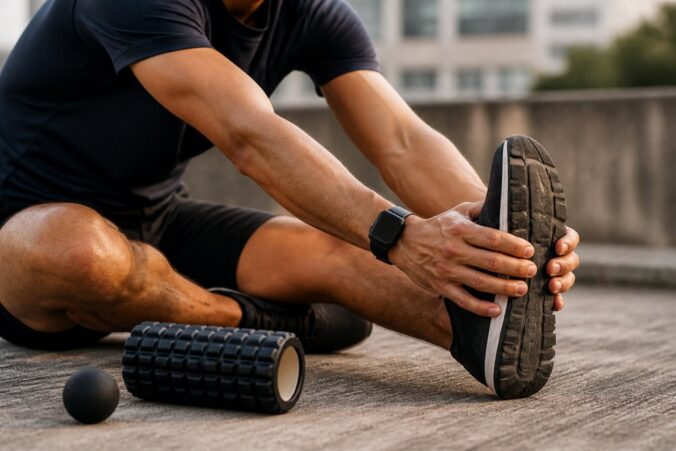
Table of Contents
- Why Injury Prevention for Marathon Runners Demands a System, Not a Shortcut
- Common Running Injuries and Treatment: What Marathoners Actually Face
- Strength Training for Marathon Runners: Building the Foundation
- Mileage Progression, Warm-Ups, and Load Management
- Importance of Rest Days in Marathon Training and Recovery Science
- Sports Massage for Injury Prevention: What the Evidence Shows
- Footwear, Biomechanical Assessment, and the Mental Side of Staying Healthy
- Post-Injury Return-to-Run Protocols for Injury Prevention for Marathon Runners
- Frequently Asked Questions
Last Updated: August 27, 2026
Injury prevention for marathon runners is not a box you check once during taper week. It is a system you build across every training block, every recovery session, and every footwear decision you make. At Frank A. Casucci III LMT, we work with athletes from weekend warriors to professional competitors, and the pattern is consistent: the runners who stay healthy are not the most gifted. They are the most deliberate.
The research base for marathon injury prevention is clear that overuse injuries account for the vast majority of time lost in endurance training. Understanding why your body breaks down, and how to interrupt that cycle before it becomes a diagnosis, is the difference between crossing a finish line and watching one.
Why Injury Prevention for Marathon Runners Demands a System, Not a Shortcut
Most runners approach injury prevention the way they approach stretching: they do it when they remember to, and they skip it when pressed for time. That approach fails because the body does not fail all at once. It fails incrementally, through accumulated tissue stress that exceeds the rate of repair.
Injury prevention for marathon runners is the practice of managing training load, tissue quality, movement mechanics, and recovery in a coordinated way so that adaptation outpaces breakdown. No single intervention, a foam roller, a new shoe, or a monthly massage, can substitute for a system that addresses all four levers simultaneously.
Key Takeaway
The runners who stay healthy are not the most gifted. They are the most deliberate about managing the four levers: load, tissue quality, mechanics, and recovery.
The runners who stay healthy are not the most gifted. They are the most deliberate about managing the four levers: load, tissue quality, mechanics, and recovery.
Common Running Injuries and Treatment: What Marathoners Actually Face
Overuse Injuries: Tendinopathy, Stress Fractures, and IT Band Syndrome
The most common running injuries are overuse injuries, developing through repetitive loading that exceeds the tissue’s capacity to repair. Tendinopathy, a degenerative condition of tendon tissue, frequently affects the Achilles and patellar tendons. Stress fractures, microfractures in bone caused by repetitive impact, most commonly occur in the metatarsals, tibia, and navicular. IT band syndrome, characterized by lateral knee pain, results from excessive friction of the iliotibial band against the lateral femoral condyle, often driven by hip muscle imbalances.
According to American College of Sports Medicine guidance on running injuries, training errors, including rapid mileage increases, are the leading cause of overuse injuries in distance runners.
Early Warning Signs You Should Never Ignore
Pain that persists beyond the first mile of a run is a signal, not a suggestion. Many runners normalize discomfort, which delays treatment and extends recovery timelines. Watch for localized bone tenderness that worsens with impact, pain that changes your gait, joint swelling that does not resolve within 24 hours, and tendon stiffness worst first thing in the morning.
The rule is simple: if it is altering how you move, it is already an injury, not a warning.
Strength Training for Marathon Runners: Building the Foundation
Strength training for marathon runners is one of the most evidence-supported injury prevention strategies available, and it remains one of the most consistently skipped. Runners worry about added weight or fatigue, but functional strength work, done correctly, reduces injury risk by reinforcing the structures that absorb impact forces on every stride.
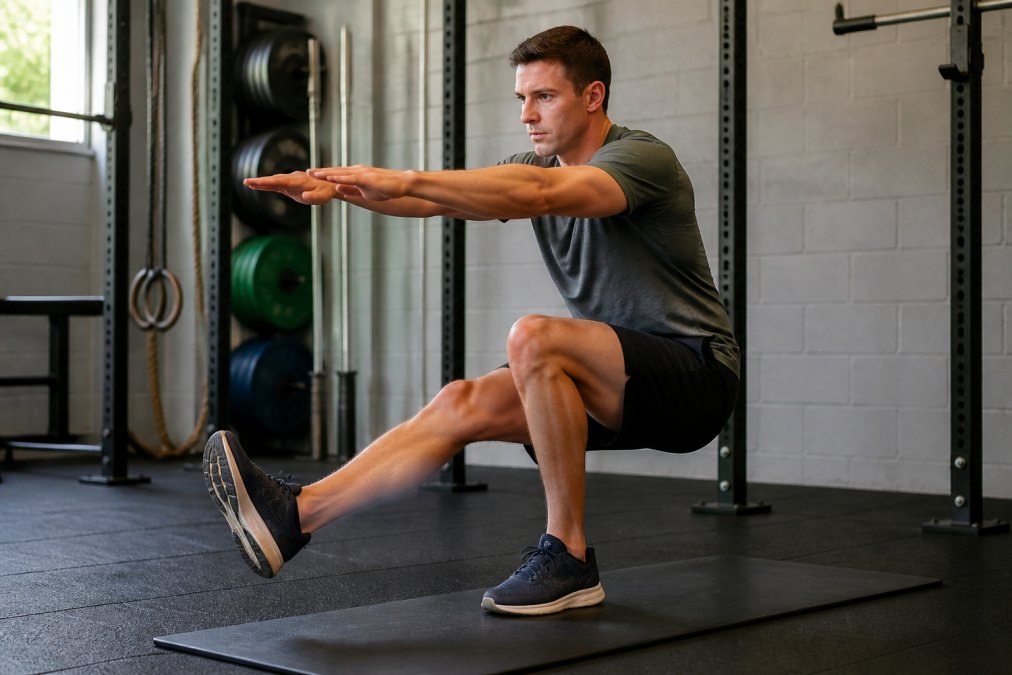
The focus should be on stability, load transfer, and the ability to maintain proper mechanics under fatigue, single-leg work, hip-dominant exercises, and movements that replicate running demands.
Hip Abductors, External Rotators, and Functional Movement
The hip abductors and external rotators are the most critical muscle groups for injury prevention in distance runners, and they are chronically undertrained. Weakness in these muscles leads to hip drop during the stance phase of gait, increasing stress on the IT band, patellofemoral joint, and medial structures of the knee. It also contributes to excessive internal rotation of the femur, a primary driver of runner’s knee and stress fractures.
Effective exercises include single-leg deadlifts, clamshells and lateral band walks, step-ups with hip extension, Copenhagen adductor planks, and glute bridges with single-leg variations. Two to three sessions per week, 20 to 30 minutes each, is sufficient to produce meaningful adaptation without compromising running volume.
Balance, Proprioception, and Running Cadence
Proprioception, the body’s ability to sense its own position in space, is critical for injury prevention. Runners with poor proprioceptive function are more susceptible to ankle sprains, hip instability, and compensatory movement patterns. Balance training, including single-leg stance work on unstable surfaces, directly improves proprioceptive function.
Running cadence also matters. A cadence below 160 steps per minute is associated with greater vertical oscillation and higher impact forces per stride. Increasing cadence by even a small margin can meaningfully reduce load on the knees and hips.
Mileage Progression, Warm-Ups, and Load Management
Load management is where most training plans either succeed or fail. The body adapts to stress, but only when that stress is applied progressively and recovery is built in as non-negotiable.
The 10% Rule and Periodization in Your Training Block
The 10% rule states that weekly mileage should not increase by more than 10% from one week to the next. This reflects a sound principle: tissue adaptation is slower than cardiovascular adaptation. Your lungs will feel ready before your tendons are.
Periodization, the structured variation of training load and intensity across a training block, is the more sophisticated application of the same principle. A well-designed marathon training block includes build weeks, cutback weeks, and a taper, all calibrated to allow tissue repair between loading phases. According to guidance from the American Running Association on training load, structured periodization significantly reduces the incidence of overuse injuries compared to linear mileage progression.
Watch Out
Skipping cutback weeks because you feel good is one of the most common training errors in marathon preparation. Fatigue accumulates silently. By the time symptoms appear, the damage is already done.
Skipping cutback weeks because you feel good is one of the most common training errors in marathon preparation. Fatigue accumulates silently. By the time symptoms appear, the damage is already done.
Dynamic Stretching Before Runs and Static Stretching After
Dynamic stretching, which involves controlled movement through a range of motion, is appropriate before runs because it increases tissue temperature and prepares the neuromuscular system for load. Leg swings, hip circles, walking lunges, and high knees are effective pre-run options.
Static stretching, which involves holding a lengthened position for 20 to 60 seconds, is more appropriate after runs when tissue is warm and pliable. A 5 to 10 minute easy walk or slow jog followed by static stretching of the hip flexors, hamstrings, calves, and IT band supports tissue recovery and reduces next-day stiffness.
Importance of Rest Days in Marathon Training and Recovery Science
Rest days are not passive. They are when adaptation actually occurs. During training, you create micro-damage in muscle and connective tissue. The repair process, which produces stronger, more resilient tissue, happens during rest. Skipping rest days does not make you fitter faster. It interrupts the repair cycle and increases cumulative tissue stress, the direct pathway to overuse injuries.
Athletes who include adequate rest and recovery days in their training blocks sustain fewer injuries and perform better at peak events.
Sleep Hygiene for Tissue Repair and Overtraining Syndrome Prevention
Sleep is the most underutilized recovery tool in endurance sport. During deep sleep, the body releases growth hormone, which drives tissue repair and protein synthesis. Chronic sleep deprivation impairs tissue repair, elevates cortisol, and increases the risk of overtraining syndrome.
According to National Sleep Foundation guidelines on sleep and athletic recovery, athletes benefit from seven to nine hours of sleep per night, with some research supporting even higher volumes during heavy training blocks.
Practical sleep hygiene includes consistent sleep and wake times, a cool dark sleeping environment, limiting screen exposure in the 60 minutes before bed, and avoiding high-intensity training within three hours of sleep.
Overtraining syndrome is a clinical condition characterized by persistent fatigue, declining performance, mood disturbance, and increased injury susceptibility. It develops when training load consistently exceeds recovery capacity over weeks or months. A resting heart rate elevated by more than five to seven beats above your baseline warrants a reduction in training load.
Sports Massage for Injury Prevention: What the Evidence Shows
Sports massage for injury prevention works through several mechanisms: it reduces muscle tension, improves local circulation, promotes tissue mobility, and helps identify areas of restriction or dysfunction before they become symptomatic injuries.
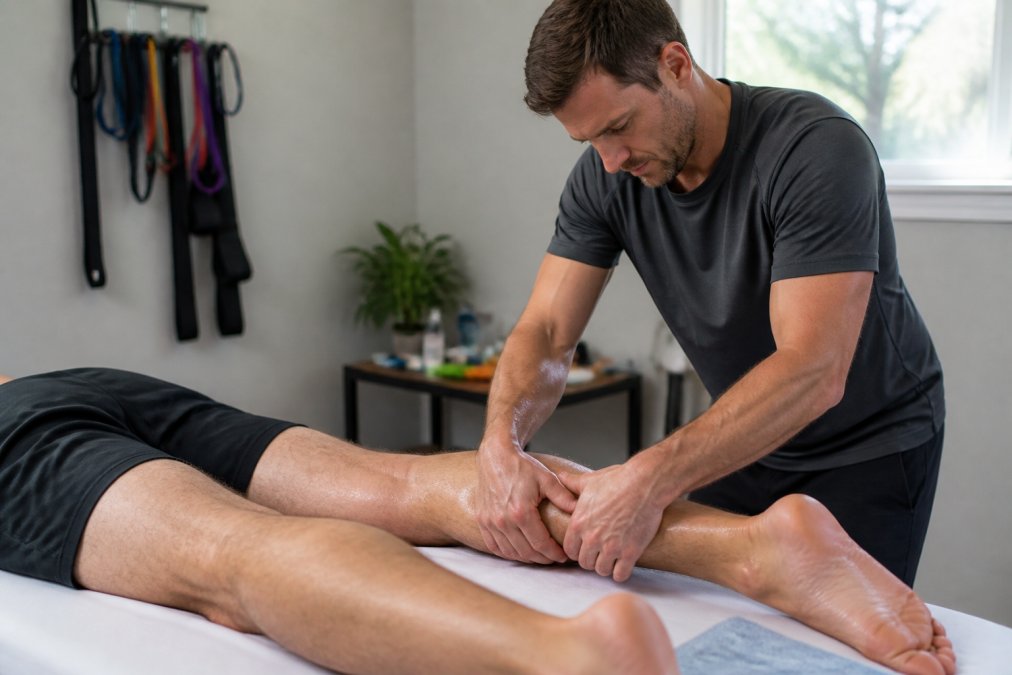
The evidence base for sports massage is strongest in perceived recovery, delayed onset muscle soreness reduction, and range of motion improvement. For marathon runners, a skilled therapist can detect tissue restrictions, trigger points, and movement compensations that the runner often cannot feel until they become painful.
Frank A. Casucci III LMT has worked with athletes at the Yale Track Team, US Open Tennis Championships, and professional dance companies including the Paul Taylor Dance Company and the Joffrey Ballet. That clinical breadth matters because tissue patterns in a marathon runner are specific. Calf tightness that does not respond to stretching often has a proximal cause at the hip or lumbar spine. Orthopedic Massage techniques address the root driver, not just the symptomatic site.
Regular massage during a training block, typically every two to four weeks depending on training volume, supports tissue quality and helps prevent the gradual accumulation of restriction that leads to injury.
| Massage Frequency | Training Phase | Primary Benefit |
|---|---|---|
| Every 2 weeks | Peak training block | Tissue quality, early restriction detection |
| Every 3-4 weeks | Base building phase | Maintenance, movement assessment |
| 1-2 days before race | Pre-race | Light flush, nervous system regulation |
| 48-72 hours after race | Post-race recovery | Metabolic waste clearance, tissue repair |
Pro Tip
Request a movement assessment during your first session, not just soft tissue work. Identifying a hip restriction or gait asymmetry before it becomes symptomatic is worth more than any amount of reactive treatment.
Request a movement assessment during your first session, not just soft tissue work. Identifying a hip restriction or gait asymmetry before it becomes symptomatic is worth more than any amount of reactive treatment.
Footwear, Biomechanical Assessment, and the Mental Side of Staying Healthy
Footwear selection is not about brand loyalty or cushioning preference. It is about matching shoe geometry to your individual biomechanics. A runner with significant pronation in a neutral shoe loads the medial structures of the knee and foot with every stride. A runner with a rigid, high-arched foot in a motion-control shoe restricts the natural shock absorption the foot is designed to provide.
Gait analysis, conducted by a qualified professional, provides the objective data needed to make a sound footwear decision. It identifies cadence, foot strike pattern, vertical oscillation, and hip mechanics under load, information directly relevant to injury prevention because biomechanical inefficiencies become clear under video analysis.
The mental side of injury prevention is often overlooked. Runners who are psychologically invested in hitting specific mileage targets, or who tie their identity tightly to their training, are statistically more likely to ignore early warning signs and push through pain. Building in decision rules before training begins helps. For example: “If I have pain above a three out of ten during the first mile, I stop and reassess.” Pre-committing to these rules removes the in-the-moment negotiation that leads to bad decisions under competitive pressure.
Post-Injury Return-to-Run Protocols for Injury Prevention for Marathon Runners
Returning to running after injury is where the second injury most often happens. The tissue has healed sufficiently to feel normal, but the underlying load capacity has not yet returned to pre-injury levels. Rushing this phase is the most common cause of re-injury.
A structured return-to-run protocol follows a graduated approach: pain-free walking at normal pace, walk-run intervals beginning with 1-minute run and 4-minute walk repeated 5 times, progressive run extension increasing by 1 minute every 2-3 sessions, easy continuous running of 20 minutes at conversational pace, and finally pace and volume progression reintroducing tempo and long runs only after 2 weeks of pain-free easy running.
The 10% rule applies here as well, but the starting point is much lower. A runner returning from a tibial stress fracture should not pick up where they left off. They should treat their return as a fresh base-building phase.
Kinesio Taping, used at Frank A. Casucci III LMT, can support the return-to-run phase by providing proprioceptive feedback and mild structural support to healing tissues without restricting full range of motion. Cross-training during recovery, pool running, cycling, and elliptical training, maintains cardiovascular fitness and allows continued training stimulus without impact forces that could compromise healing tissue.
Staying healthy through marathon training requires more than good intentions. Frank A. Casucci III LMT brings over two decades of experience in sports medicine and rehabilitation to help runners identify and correct the movement patterns, tissue restrictions, and biomechanical imbalances that lead to injury. Through customized sessions using Orthopedic Massage, Kinesio Taping, and targeted assessment, the goal is faster recovery, better performance, and fewer setbacks between now and your next start line. Schedule now to build the foundation your training depends on.
Frequently Asked Questions
What is the 10% rule for marathon training mileage?
The 10% rule recommends increasing your weekly mileage by no more than 10% from one week to the next. This pacing helps your connective tissue, tendons, and bones adapt to rising impact forces without tipping into overuse injuries like stress fractures or tendinopathy. It applies to total weekly volume, not just long run distance.
How can a beginner runner avoid common overuse injuries?
Start with three to four runs per week, keep most of them at an easy conversational pace, and build mileage gradually using the 10% rule. Prioritize hip abductor and external rotator strengthening from the first week of training, since muscle imbalances in those areas drive a large share of knee and IT band problems. Add dynamic stretching before each run and static stretching after. Schedule at least two full rest or cross-training days per week to allow tissue repair.
What role does professional massage therapy play in marathon recovery?
Sports massage targets muscle imbalances, adhesions, and restricted tissue that accumulate during high-mileage training. Techniques like orthopedic massage and Kinesio Taping address specific biomechanical dysfunctions rather than general tension. Regular sessions during a training block can reduce recovery time between hard efforts, improve range of motion, and help identify developing problems before they become injuries. For marathon runners, it works best as part of a broader plan that includes strength work and load management.
How do you identify the early warning signs of a running injury?
The clearest signals are pain that persists beyond the first mile of a run, discomfort that changes your gait or stride, localized tenderness on a bone or tendon, and swelling or stiffness that does not resolve within 48 hours of a hard effort. Pain that rates above a 3 out of 10 during a run, or any sharp pain, warrants stopping and consulting a qualified professional. Catching these signs early typically means a shorter recovery window and a faster return to full training.
What are the most effective strength training exercises for marathoners?
Single-leg squats, lateral band walks, hip bridges, and clamshells directly target the hip abductors and external rotators that stabilize the pelvis during each stride. Calf raises and single-leg deadlifts build lower-leg resilience against Achilles tendinopathy. Core exercises like dead bugs and pallof presses reduce lateral trunk sway, which lowers impact forces at the knee. Two sessions per week of 20 to 30 minutes, focused on functional strength rather than heavy lifting, is sufficient for most marathon runners.
How long should you taper before a marathon to prevent injury?
Most marathon plans include a two- to three-week taper, during which weekly mileage drops by roughly 20 to 40 percent each week while intensity stays moderate. This period allows accumulated tissue fatigue to resolve without losing fitness. Cutting mileage too aggressively or too late both carry risks: too early can leave you undertrained, while skipping the taper increases the chance of arriving at the start line with unresolved inflammation or overtraining syndrome symptoms.
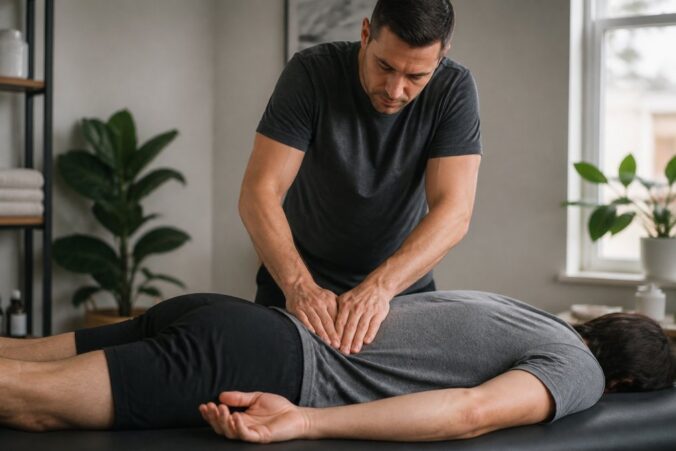
Table of Contents
- What Is Orthopedic Massage Therapy?
- Primary Clinical Benefits of Orthopedic Massage Therapy
- Conditions Treated: From Whiplash to Carpal Tunnel
- Orthopedic Massage vs Medical Massage: Key Differences
- Massage Therapy for Musculoskeletal Imbalances and Injury Prevention
- How Often to Get Orthopedic Massage for Best Results
- Contraindications, Safety, and Post-Treatment Home Care
- Frequently Asked Questions
Last Updated: August 26, 2026
What Is Orthopedic Massage Therapy?
Orthopedic massage therapy is a clinical approach to soft tissue treatment that targets specific musculoskeletal dysfunctions, injuries, and pain patterns rather than providing general relaxation. Unlike spa-style massage, it is rooted in anatomy, biomechanics, and rehabilitative principles, with every technique applied having a defined therapeutic goal.
At Frank A. Casucci III LMT, orthopedic massage therapy has been a core practice since 2004, serving professional athletes, dancers, and active individuals who need more than a standard rubdown. The approach draws on a diverse range of therapeutic styles to address the root cause of dysfunction, not just the symptom.
What makes this modality distinct is its assessment-first structure. A practitioner evaluates posture, range of motion, tissue quality, and movement patterns before treatment, then customizes the session to the specific orthopedic pathology at hand. That clinical rigor separates orthopedic massage from general bodywork, which is why many clients arrive after years of unresolved pain.
According to the American Massage Therapy Association’s research overview, massage therapy has documented effects on pain, muscle tension, and functional recovery across musculoskeletal conditions. Orthopedic applications represent one of the most clinically developed branches of the field.
Primary Clinical Benefits of Orthopedic Massage Therapy
Orthopedic massage therapy produces measurable changes in soft tissue, joint mechanics, and neurological pain responses that map directly to specific physiological mechanisms practitioners can target with precision.
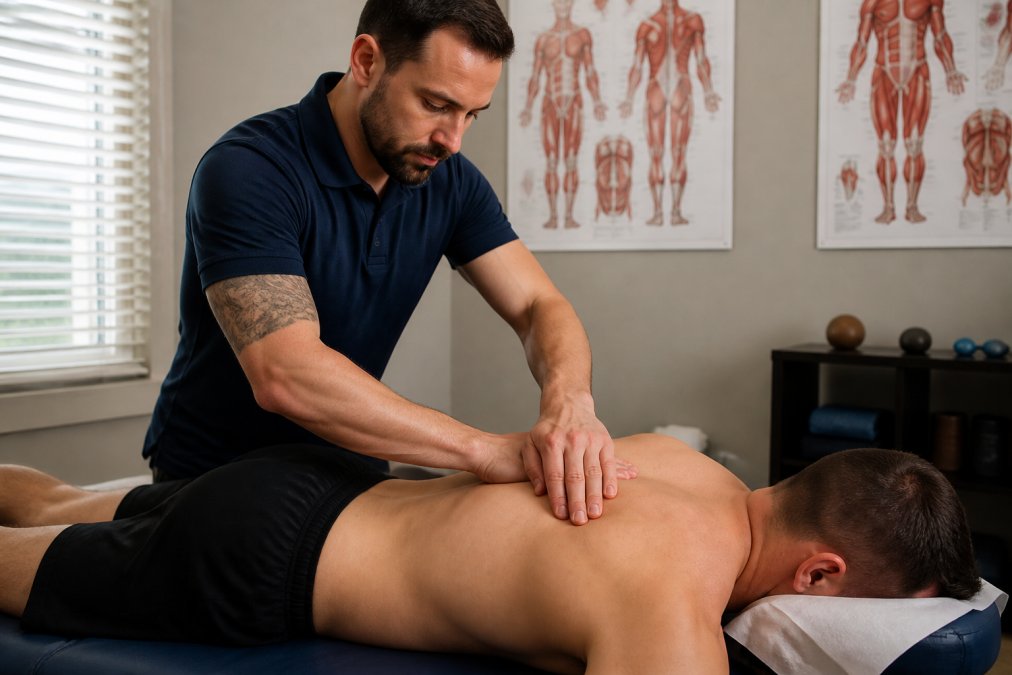
Restoring Range of Motion and Functional Mobility
Restricted range of motion typically stems from muscle tension, fascial adhesions, and joint capsule tightness, none of which respond well to rest alone. Orthopedic massage addresses this through soft tissue mobilization and myofascial release, which break down adhesions and restore natural glide between tissue layers. Passive stretching is integrated to lengthen shortened muscles and re-educate movement patterns.
A common mistake is aggressive self-stretching without addressing underlying tissue restriction. Release must precede lengthening. For athletes, restoring range of motion improves coordination and reduces compensatory patterns that cause secondary injuries.
Reducing Inflammation, Swelling, and Chronic Pain
Chronic pain often involves soft tissue in a state of inflammation where compromised circulation allows waste products to accumulate, sensitizing the nervous system and amplifying pain signals beyond the original injury’s scope. Orthopedic massage counters this through circulation enhancement and targeted soft tissue work that stimulates lymphatic drainage, reduces swelling, and interrupts the pain-spasm-pain cycle.
The National Center for Complementary and Integrative Health’s overview of massage for pain acknowledges that massage therapy shows meaningful benefits for chronic low back pain, neck pain, and other musculoskeletal conditions. For clients who have cycled through physical therapy and medication without lasting relief, this clinical approach often produces qualitatively different results because the tissue itself is being changed.
Scar Tissue Management and Tissue Healing
Scar tissue forms through the body’s emergency repair mechanism, but collagen fibers are laid down in a disorganized pattern that restricts movement and often becomes a chronic pain source years after the original injury. Orthopedic massage addresses scar tissue through cross-fiber friction and myofascial release techniques that realign collagen fibers and restore normal connective tissue function. Early intervention during the remodeling phase produces better outcomes than waiting until the scar has fully matured.
This intersects directly with rehabilitative medicine, supporting rather than replacing medical treatment plans for clients recovering from surgery or significant muscle tears.
Conditions Treated: From Whiplash to Carpal Tunnel
Orthopedic massage therapy is effective across many musculoskeletal conditions where soft tissue dysfunction is present, whether from acute injury, repetitive strain, or degenerative change.
| Condition | Primary Mechanism | Orthopedic Massage Approach |
|---|---|---|
| Whiplash | Cervical muscle and ligament strain | Soft tissue mobilization, passive movement, trigger point release |
| Carpal Tunnel Syndrome | Median nerve compression, forearm tension | Myofascial release of forearm flexors, wrist mobilization |
| Arthritis | Joint inflammation, periarticular muscle guarding | Gentle circulation work, range of motion support |
| Rotator Cuff Injuries | Shoulder soft tissue damage, impingement | Targeted shoulder soft tissue mobilization |
| Plantar Fasciitis | Fascial restriction, calf tightness | Myofascial release, passive stretching of posterior chain |
| IT Band Syndrome | Lateral knee friction, hip imbalance | Hip and lateral thigh soft tissue work |
| Chronic Low Back Pain | Muscle spasms, disc-related tension | Lumbar soft tissue mobilization, postural alignment work |
Whiplash recovery requires particular attention. The cervical spine sustains complex forces during whiplash events, and resulting muscle spasms, ligament strain, and neurological irritation can persist for months or years without proper soft tissue intervention.
Carpal tunnel syndrome often responds to orthopedic massage because compression is frequently driven by forearm flexor tightness and fascial restriction extending well above the wrist. Treating the entire kinetic chain, not just the wrist, distinguishes a clinical approach from a generic one.
For clients managing arthritis, the goal is reducing muscle guarding and periarticular tension that amplifies pain and limits mobility. Many find that consistent orthopedic massage allows them to maintain functional mobility and reduce reliance on pain management strategies.
Pro Tip
Clients dealing with chronic conditions often see the best results when orthopedic massage is part of a broader treatment plan. Communicate openly with your physician or physical therapist about your massage sessions; coordinated care produces better outcomes than any single modality in isolation.
Clients dealing with chronic conditions often see the best results when orthopedic massage is part of a broader treatment plan. Communicate openly with your physician or physical therapist about your massage sessions; coordinated care produces better outcomes than any single modality in isolation.
Orthopedic Massage vs Medical Massage: Key Differences
Medical massage is a broad term describing massage therapy prescribed by a physician to address a specific medical condition. It defines the referral pathway and billing context more than the technique itself.
Orthopedic massage is a specific methodology defined by its assessment process, focus on musculoskeletal pathology, and use of targeted techniques, myofascial release, neuromuscular therapy, trigger point therapy, soft tissue mobilization, and passive movement, selected based on the specific orthopedic condition being treated.
A medical massage session might be authorized by a physician and billed through insurance. An orthopedic massage session is defined by what the practitioner actually does and how they assess and treat tissue. The two can overlap, but they are not synonymous.
For clients deciding between providers, the more important question is not the label but the practitioner’s clinical training and assessment process. A practitioner certified in orthopedic massage who conducts a thorough intake and postural evaluation operates at a different level than one who simply applies pressure to areas of complaint.
Key Takeaway
Orthopedic massage is defined by its clinical methodology, structured assessment, targeted technique selection, and measurable therapeutic goals. The “medical” label describes the referral context, not the treatment approach.
Orthopedic massage is defined by its clinical methodology, structured assessment, targeted technique selection, and measurable therapeutic goals. The “medical” label describes the referral context, not the treatment approach.
Massage Therapy for Musculoskeletal Imbalances and Injury Prevention
Most injuries result from compensation patterns building over months or years, one side working harder than the other, one muscle group chronically shortened while its antagonist lengthens and weakens, postural alignment gradually drifting from neutral.
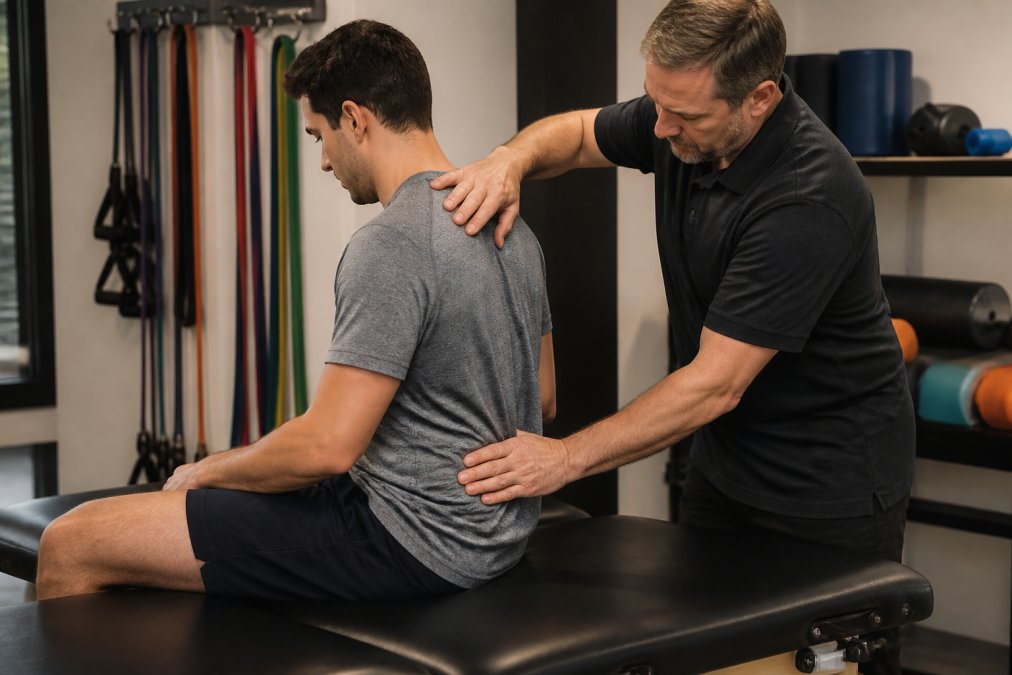
Massage therapy for musculoskeletal imbalances targets these compensation patterns before they produce injury. By identifying areas of chronic tension, restricted fascia, and neuromuscular inhibition, a skilled orthopedic practitioner can correct imbalances that make injury inevitable under load.
The assessment framework used with professional athletes, identifying asymmetries, addressing tissue restrictions, restoring balanced muscle activation, applies equally to recreational athletes. Injury prevention through orthopedic massage involves soft tissue mobilization to address chronic tension, myofascial release to restore tissue mobility, passive stretching to lengthen shortened structures, and postural alignment work to correct compensatory patterns.
A therapist focused on injury prevention works to change tissue conditions that make injury likely, not simply to make you feel good in the moment.
How Often to Get Orthopedic Massage for Best Results
Frequency depends on the severity of the condition, treatment goals, and how tissue responds between sessions. For acute injuries or significant chronic pain, more frequent sessions in the early phase are generally more effective. Many practitioners recommend weekly sessions for the first four to six weeks, then extending the interval as tissue stabilizes.
For injury prevention and performance maintenance, many active individuals settle into every two to four weeks depending on training load. High-volume training periods warrant more frequent sessions; lower-intensity periods may require less.
Treating orthopedic massage as crisis intervention, booking only when pain becomes unmanageable, consistently produces slower results than a proactive schedule. Most clients with chronic patterns notice meaningful improvement within three to five sessions, with continued progress over following weeks.
Watch Out
Avoid scheduling intense training or competition immediately after an orthopedic massage session. Treated tissue needs time to integrate changes, and pushing hard within 24 hours can provoke soreness or temporarily reduce performance.
Avoid scheduling intense training or competition immediately after an orthopedic massage session. Treated tissue needs time to integrate changes, and pushing hard within 24 hours can provoke soreness or temporarily reduce performance.
Contraindications, Safety, and Post-Treatment Home Care
Orthopedic massage therapy is not appropriate for every situation. Knowing when it is contraindicated is as important as knowing what it can treat.
Who Should Avoid Orthopedic Massage
Certain conditions require physician clearance before receiving orthopedic massage, and some represent absolute contraindications.
Conditions requiring physician clearance:
- Recent fractures or surgical sites that have not fully healed
- Active deep vein thrombosis or known clotting disorders
- Uncontrolled hypertension or cardiovascular instability
- Active infection, fever, or systemic inflammatory conditions
- Certain stages of cancer
- Severe osteoporosis
- Pregnancy
Local contraindications include open wounds, bruising, acute inflammation, varicose veins, and skin conditions in the treatment area.
The American Massage Therapy Association’s professional standards and ethics guidelines provide clear guidance on contraindication screening. Contraindications are not reasons to avoid massage entirely, but reasons to modify the approach or refer out.
Post-Session Care Protocols
What you do in the 24 to 48 hours after an orthopedic massage session significantly affects how well the treatment holds.
Hydration: Soft tissue work increases metabolic activity in treated areas. Adequate water supports clearance of metabolic byproducts and helps tissue recover efficiently.
Heat vs. ice: For sessions focused on chronic tension, gentle heat can support continued muscle relaxation. For acute injury or inflammation, avoid heat for 24 hours and use ice if directed.
Movement: Light, gentle movement after a session helps integrate tissue changes. A short walk or gentle mobility work is appropriate; intense training is not.
Stretching: If your practitioner has given specific stretches, do them. The window after a session is when tissue is most receptive to length changes. Consistency with home stretching between sessions is one of the strongest predictors of long-term improvement.
As documented in the National Institutes of Health’s integrative health research on massage therapy, therapeutic outcomes are enhanced when patients engage actively in their recovery between sessions.
Chronic pain and unresolved musculoskeletal imbalances rarely improve without targeted, consistent intervention. Frank A. Casucci III LMT brings over two decades of clinical experience, including work with professional sports teams, performing arts companies, and high-level athletes, to every session. With certifications in Orthopedic Massage, Kinesio Taping, and Craniosacral Therapy, the practice offers clinical depth that general massage providers do not. Schedule now to begin a treatment plan built around your specific condition and goals.
Frequently Asked Questions
What are the primary clinical benefits of orthopedic massage therapy?
Orthopedic massage therapy targets the musculoskeletal system to reduce chronic pain, restore range of motion, decrease inflammation, and accelerate soft tissue healing. Techniques like myofascial release, trigger point therapy, and passive stretching address the root cause of dysfunction rather than just symptoms. Athletes and active individuals typically report improved flexibility, better postural alignment, and faster return to activity. Results vary by condition and individual, so a qualified therapist should assess your specific needs before treatment begins.
What are the key differences between a medical massage and an orthopedic massage?
Medical massage is a broad term covering any clinically directed massage prescribed to address a diagnosed condition, often billed through insurance. Orthopedic massage is a specialized subset focused specifically on the musculoskeletal system, joint mechanics, and soft tissue mobilization. Orthopedic practitioners assess movement patterns, identify biomechanical imbalances, and apply targeted techniques such as neuromuscular therapy and myofascial release. The distinction matters when choosing a therapist: orthopedic massage requires advanced training in anatomy, orthopedic pathologies, and rehabilitative protocols.
How often should you get orthopedic massage therapy?
Frequency depends on the severity of your condition and your rehabilitation goals. For acute injuries, weekly sessions are common in the early recovery phase. Chronic pain patterns or musculoskeletal imbalances often respond well to biweekly sessions initially, tapering to monthly maintenance once functional mobility improves. Athletes in heavy training may benefit from more frequent sessions during peak seasons. A qualified therapist will recommend a schedule based on your assessment, and that plan should be adjusted as your tissue health and pain levels change.
Can orthopedic massage therapy help with sports-related injury prevention?
Yes. Regular orthopedic massage addresses muscle tension, restricted joint mechanics, and connective tissue adhesions before they develop into injuries. By improving circulation, reducing scar tissue formation, and correcting postural alignment, it helps athletes maintain the biomechanical efficiency needed to train consistently. It works best as part of a broader strategy that includes proper training load management and, where appropriate, coordination with a physical therapist or sports medicine provider.
What conditions are typically addressed through orthopedic massage?
Orthopedic massage is commonly used for whiplash recovery, carpal tunnel syndrome, rotator cuff injuries, IT band syndrome, plantar fasciitis, arthritis-related stiffness, and chronic low back pain. It also addresses post-surgical scar tissue, nerve impingement, and repetitive strain injuries. The approach is assessment-driven: the therapist identifies which structures are involved and selects techniques accordingly, which may include soft tissue mobilization, passive stretching, or trigger point therapy depending on the orthopedic pathology.
What should you avoid doing after an orthopedic massage session?
Avoid intense exercise, heat exposure such as hot tubs or saunas, and alcohol for at least 24 hours after a session. Drink plenty of water to support circulation and help clear metabolic byproducts released during soft tissue mobilization. Mild soreness in the treated area is normal and typically resolves within 24 to 48 hours. Follow any specific home care instructions your therapist provides, which may include gentle stretching, ice or heat application, or activity modifications to reinforce the therapeutic outcomes of the session.
🎧 What Is Vibroacoustic Therapy?
In the competitive world of sports, recovery isn’t optional — it’s essential. While athletes use ice baths, compression gear, and massage therapy to bounce back, a new contender has entered the recovery game: Vibroacoustic Therapy (VAT).
VAT delivers low-frequency sound vibrations (30–120 Hz) through a specially designed bed, chair, or mat. These vibrations resonate throughout the body, providing a deep tissue massage effect without physical touch. As sound waves travel through muscles and joints, they improve circulation, reduce tension, and activate the body’s natural relaxation response.
💪 Why Athletes Are Turning to Sound for Recovery
Scientific studies have shown that vibroacoustic therapy is more than a spa trend — it’s a neurosensory recovery tool grounded in physiology.
According to Campbell et al. (2019) in Frontiers in Psychology, VAT significantly reduces pain and anxiety across clinical populations. For athletes, these effects translate to faster muscle recovery and improved mental focus.
Meanwhile, Huang et al. (2020) found that vibroacoustic stimulation enhances parasympathetic nervous system activity — the “rest and repair” mode crucial after high-intensity training.
🧠 The Science Behind VAT and Athletic Recovery
| Mechanism | Effect on the Body |
|---|---|
| Muscle Relaxation | Reduces stiffness and microtension post-training |
| Circulatory Boost | Enhances oxygen delivery and toxin removal |
| Hormonal Balance | Lowers cortisol and improves serotonin levels |
| Neurological Recovery | Promotes calm and resets nervous system tone |
| Sleep Quality | Deepens sleep cycles critical for recovery |
🦵 From Research to Real-World Results
VAT’s benefits extend beyond lab studies. In practice, professional athletes and sports therapists are incorporating vibroacoustic therapy into recovery protocols.
- Pain Reduction: A Clinical Rheumatology study (Naghdi et al., 2015) showed VAT significantly decreased pain levels in fibromyalgia patients — a finding relevant for athletes dealing with chronic soreness or inflammation.
- Motor Function Improvement: Research by Skille & Wigram (1995) found VAT enhanced muscle control and reduced spasticity, suggesting potential applications for post-injury rehabilitation.
- Mental Recovery: Beyond physical effects, VAT’s meditative sound environment helps athletes decompress and reduce anxiety, improving focus and readiness for competition.
⚙️ What a Typical Vibroacoustic Therapy Session Looks Like
- Set the Scene: The athlete lies on a vibroacoustic mat or bed equipped with built-in transducers.
- Sound Immersion: Low-frequency tones, often combined with ambient music, resonate through the body.
- Deep Relaxation: Within minutes, muscle tension subsides, and breathing slows.
- Post-Session Glow: Athletes report reduced soreness, lighter muscles, and sharper mental clarity.
Sessions typically last 20–45 minutes and can be used after workouts, competitions, or during rest days as part of a holistic recovery program.
🧩 The Future of Recovery is Resonant
As technology evolves, VAT devices are becoming more portable and accessible. Sports physiologists now recognize the synergy between sound, the nervous system, and muscle health.
In the words of Ahonen & DeNora (2016), vibroacoustic therapy “helps reconnect the athlete with their embodied rhythm” — reminding us that recovery is not just physical, but deeply sensory.
📚 References
Skille, O., & Wigram, T. (1995). The Effects of Vibroacoustic Therapy on Spasticity and Motor Function. Physiotherapy Research International.
Campbell, A. M. et al. (2019). Vibroacoustic Therapy for Pain and Anxiety in Clinical Populations: A Systematic Review. Frontiers in Psychology, 10, 2423.
Huang, S. T. et al. (2020). Vibroacoustic Stimulation and Autonomic Nervous System Modulation. Journal of Integrative Medicine, 18(6).
Naghdi, L., Ahonen, H., & Macario, P. (2015). The Effect of Vibroacoustic Therapy on Pain and Depression in Fibromyalgia. Clinical Rheumatology, 34(10).
Patrick, G. et al. (2018). Vibroacoustic Therapy for Insomnia and Anxiety Disorders. Sleep Medicine Reviews, 38, 39–48.
Ahonen, H., & DeNora, T. (2016). Towards a Sociology of Vibroacoustic Therapy. Music and Medicine, 8(4).
Elite and recreational athletes are always searching for safe ways to train harder and recover faster. Hyperbaric oxygen therapy (HBOT) — breathing near-100% oxygen inside a pressurized chamber — has moved from hospital wards into pro sports facilities, performance centers, and recovery clinics. But what does the research actually say about HBOT for athletic performance, recovery, and injury healing? This article summarizes the latest science, explains the key mechanisms, and offers evidence-based takeaways for athletes and coaches.
What Is Hyperbaric Oxygen Therapy (HBOT)?
HBOT places the body in a pressurized environment (typically 1.5–2.5 atmospheres absolute) while the athlete breathes oxygen-rich air. The increased pressure allows much more oxygen to dissolve into the bloodstream and tissues, which may accelerate repair, reduce inflammation, and support cellular metabolism.
What the Research Shows — Quick Summary
- Many studies show HBOT speeds recovery from exercise-induced muscle injury and reduces markers of inflammation and tissue damage.[1][2]
- Performance effects are mixed. A single HBOT session rarely produces immediate boosts in speed, strength, or power — benefits appear mainly in recovery and repeated-session protocols.[3][4]
- Cellular research is promising: HBOT may reduce inflammatory signaling, improve oxidative balance, and support mitochondrial function.[5][6]
- Protocols matter. Studies vary widely in pressure, time, session count, and athlete type — leading to inconsistent outcomes.[7]
How HBOT Helps Athletes — Mechanisms That Matter
1. Enhanced Tissue Oxygenation & Repair
HBOT increases dissolved oxygen in blood and tissues, supporting collagen formation, angiogenesis, and tissue repair — valuable for soft-tissue and bone healing.[7]
2. Reduced Inflammation
Research shows HBOT can lower inflammatory cytokines and oxidative-stress markers after intense exercise, potentially shortening the recovery window.[5]
3. Mitochondrial Support
Repeated HBOT sessions may improve mitochondrial respiration and cellular energy production, which can enhance endurance and recovery.[6]
What Trials Actually Measure (Examples)
- A double-blind randomized trial in elite youth football players found a single 1-hour HBOT session did not measurably improve immediate performance after a match — suggesting one-off sessions have limited impact.[3]
- Multiple trials and reviews show improved recovery from muscle injury, with reductions in muscle-damage biomarkers and improved functional recovery after HBOT protocols.[1][2]
- Sport-specific research (e.g., jiu-jitsu trials) reports reduced soreness and faster strength return in certain HBOT protocols.[8]
Practical Takeaways for Athletes & Coaches
- Best use-case: recovery, injury rehab, and inflammation control — not instant performance enhancement.[1][5]
- Protocol consistency matters. Research suggests repeated sessions produce stronger physiological changes.[6]
- Use HBOT as part of a complete recovery program including sleep, nutrition, hydration, mobility, and load management.
- Medical oversight is essential. HBOT requires proper supervision to avoid risks such as barotrauma or oxygen toxicity.
Limitations in Current Research
While studies are promising, HBOT research in sports is still young. Trials vary significantly in chamber type, pressure, duration, and athlete demographics. Larger, standardized, sport-specific trials are needed to identify optimal dosing and timing relative to training and competition.[7]
Bottom Line
Hyperbaric oxygen therapy offers real potential for athletes seeking faster recovery, reduced inflammation, and enhanced cellular repair. It’s not a magic performance booster — but as a recovery tool, especially in repeated and medically supervised sessions, it can be a powerful addition to a modern athlete’s toolkit. Athletes should consult a sports-medicine specialist to determine whether HBOT fits their training cycle, injury history, and competitive demands.
References
- Studies on exercise-induced muscle injury recovery and HBOT.
- Reviews showing reduced inflammation and markers of muscle damage.
- Randomized trial in youth football players (1-hour HBOT session).
- Research showing mixed performance outcomes.
- HBOT inflammation and oxidative-stress studies.
- Mitochondrial function improvements after repeated HBOT.
- Narrative & systematic reviews on HBOT in sports medicine.
- Sport-specific trials (e.g., jiu-jitsu, PLOS One).
In the world of sports and fitness, athletes are constantly seeking ways to improve performance, speed up recovery, and maintain overall health. One emerging trend that has garnered significant attention is the use of molecular hydrogen (H₂). This potent antioxidant has shown promising effects not only for enhancing athletic capabilities but also for promoting general well-being. Let’s dive into how molecular hydrogen can benefit athletes and anyone looking to improve their health.
What is Molecular Hydrogen?
Molecular hydrogen is a colorless, odorless gas that is the smallest and lightest molecule in the universe. While it was once primarily studied for its potential in energy applications, recent research has uncovered its remarkable health benefits, particularly as an antioxidant.
Benefits of Molecular Hydrogen for Athletes
Enhanced Recovery
- Reduced Oxidative Stress: Intense physical activity generates free radicals in the body, leading to oxidative stress. Molecular hydrogen can neutralize these free radicals, reducing muscle fatigue and soreness.
- Decreased Inflammation: Studies have shown that hydrogen-rich water can reduce markers of inflammation, helping athletes recover more quickly from strenuous workouts.
Improved Performance
- Increased Endurance: Some research suggests that molecular hydrogen may improve mitochondrial function, leading to enhanced energy production. This can translate into improved endurance during prolonged physical activities.
- Better Hydration: Hydrogen acts as a powerful hydrator, improving the body’s ability to stay properly hydrated, which is crucial for optimal performance.
Cognitive Benefits
- Enhanced Mental Clarity: Athletes often face mental fatigue during competitions. Molecular hydrogen has been shown to improve cognitive function, potentially leading to better focus and decision-making under pressure.
- Reduced Anxiety: By modulating neurotransmitter levels, hydrogen may also help in reducing anxiety, allowing athletes to perform at their best without mental distractions.
General Health Benefits of Molecular Hydrogen
Antioxidant Properties
- Molecular hydrogen selectively reduces harmful reactive oxygen species (ROS) without interfering with beneficial oxidative processes, thus balancing the body’s antioxidant systems.
Cardiovascular Health
- Studies indicate that hydrogen can improve endothelial function and reduce blood pressure, contributing to better cardiovascular health overall.
Metabolic Health
- Research has suggested that molecular hydrogen may help regulate glucose metabolism, potentially benefiting those with insulin resistance or metabolic syndrome.
Anti-Aging Effects
- By combating oxidative stress and inflammation, molecular hydrogen may contribute to healthier aging, supporting longevity and vitality.
How to Incorporate Molecular Hydrogen
- Hydrogen-Rich Water: One of the easiest ways to consume molecular hydrogen is through hydrogen-infused water. This can be purchased or made using home hydrogen generators.
- Inhalation Therapy: For more concentrated doses, inhalation methods are available, though these are generally recommended for specific health conditions and should be used under professional guidance.
Our Machine:
The Technology Behind Pure Hydrogen
Your Body Already Has Many Ways Of Maintaining Balance. Many People Choose To Include Hydrogen-Rich Water And Gas as a habit Alongside Good Sleep, Movement, And Nutrition.
Our unique Dual Chamber Electrolysis process dissolves hydrogen into water in a way that helps maintain stable hydrogen levels and separates hydrogen from oxygen during production. Instead of directly electrolyzing or force-injecting hydrogen gas into finished water, the Lourdes Hydrofix is designed to dissolve hydrogen in a controlled, consistent manner.
Crafted in Japan, the Lourdes Hydrofix Premium Edition features exclusive MFPM membrane film technology for hydrogen gas production. Its three-layer, fiber-containing membrane enhances the production process and is designed to maintain stable purity and output over time.
Our proprietary system generates ultra-fine hydrogen bubbles(often called “nanobubbles”), which are smaller and more stable than ordinary bubbles produced by simple bubbling methods.
Conclusion:
Molecular hydrogen presents a fascinating option for athletes and health enthusiasts seeking to enhance performance, speed up recovery, and promote overall well-being. As research continues to reveal its benefits, incorporating molecular hydrogen into your regimen could be a game-changer. Whether through hydrogen-rich water, tablets, or other methods, the potential advantages are worth exploring.
Have you considered adding molecular hydrogen to your recovery routine? If you’re interested in trying molecular hydrogen contact me now.
Holy Hydrogen products, including the Lourdes Hydrofix Premium Edition, are not medical devices and are not intended to diagnose, treat, cure, or prevent any disease. All information on this site is provided for educational and general wellness purposes only and should not be considered medical advice. Always consult a qualified healthcare provider before beginning any new wellness practice, especially if you have a medical condition, are pregnant or nursing, or take prescription medications.
What is red light therapy?
Red light therapy is a simple, non-invasive treatment that delivers concentrated natural light to your skin and cells.
Red light therapy is quick and easy: all you have to do is be exposed to the light for 5 to 15 minutes, ideally every day. This gives the mitochondria in your cells the natural light they need to make the energy that powers your body.
Red light therapy has been studied and tested across hundreds of peer-reviewed clinical trials, with overwhelmingly positive results for athletic performance & muscle recovery, sleep, joint pain, inflammation, and a lot more.
How Does Red Light Therapy Actually Work?
All living things need to make ATP cellular energy to function and survive, and nearly all living things rely on natural light to power this process in our cells every day. Red and near infrared wavelengths of natural light stimulate the mitochondria in your cells, the powerhouses responsible for taking light, oxygen, and the food we eat—and turning it into usable energy for our bodies through the process of cellular respiration.
Faster recovery and less muscle soreness with Red and Infrared LED Light Therapy
There’s a large base of clinical evidence showing red light therapy improves physical performance. That’s one major reason so many pro athletes and world-class trainers and fitness experts have incorporated Joovv into their workout routine.
But whether you’re an elite pro athlete or a weekend warrior, longer and stronger workouts can translate to more muscle soreness, fatigue, and potential pain & inflammation once you leave the gym. Muscle soreness and joint pain can prevent you from working out, or lead to injuries if you try to push too hard.
Fortunately, natural red light doesn’t just improve physical performance. It also prevents the onset of muscle soreness and fatigue after workouts. Plus, red light therapy is clinically-proven to speed and enhance muscle recovery and growth.
This is why so many athletes and trainers love red light therapy: better performance, less soreness afterwards, and faster recovery so you can get back at it sooner, with less pain and fewer injuries.
This article looks at the huge base of research showing red light therapy prevents muscle soreness and speeds muscle recovery. We’ll also highlight some world-class athletes and fitness leaders using red light therapy.
How Red Light Therapy Fuels Your Muscles
If you’re not familiar with light therapy. The short version is this: light therapy delivers safe, concentrated wavelengths of natural light to your skin. These red and near infrared wavelengths stimulate your cells and reduce oxidative stress, so your body is able to make more usable energy to power itself. This increases function, speeds healing, and lowers inflammation & pain, as demonstrated in numerous peer-reviewed studies.
Natural red and near infrared light helps promote antioxidants, which play a central role in reducing the oxidative stress associated with muscle fatigue. Antioxidants also increase the production of heat proteins—special proteins that help protect cells from stress and early cell death.
Studies have also identified an increase in circulation following light therapy, indicating tissues are receiving more oxygen and other nutrients important for healing—while also ridding themselves of toxic byproducts.

Patellofemoral Pain Syndrome
Patellofemoral Pain Syndrome (PFPS) also known as runner’s knee, chondromalacia patellae, anterior knee pain and patellofemoral joint syndrome is a generic term used to describe patella pain at the front of the knee.
Symptoms
The onset of anterior knee pain is usually gradual. Symptoms include an aching pain in the knee joint, particularly at the front of the knee around and under the patella. There is often tenderness along the inside border of the kneecap and swelling will sometimes occur after exercise.
Patellofemoral pain is often worse when walking up and down hills/stairs, during body weight loading of the lower extremities, jumping, squatting, kneeling, and sitting with knees flexed. Overuse further exacerbates Patellofemoral pain, as well as long car rides or sitting for long periods of time.
Other signs you may pick up on include a click or cracking sound when bending the knee.
What is patellofemoral pain?
PFPS occurs when the patella (kneecap) rubs on the femur bone underneath. It is often thought that incorrect tracking or rubbing of the patella over the femur bone is a significant factor and results in damage or irritation of the articular cartilage underneath the patella.
Patellofemoral pain is common in people who do a lot of sport and in particular adolescent girls. It can have a number of causes but damage to the cartilage itself cannot directly cause pain because there are no blood vessels or nerves involved. However it can lead onto other problems which in turn result in pain. These include synovitis (inflammation of the synovial membrane or joint lining), erosion of the cartilage and bone under the patella, soft tissues injury or irritation for example to the lateral retinaculum and the infra patella fat pad.
The initial cause of patellofemoral pain syndrome is likely to be overuse.
This may be from external factors for example a sudden increase in training, or performing high intensity jumping and knee bending, or it can be from internal factors such as poor patella tracking. Identifying the cause is an important part of treatment.
Biomechanics of PFPS
Taking a closer look at PFPS reveals the internal structures involved in this condition and their impact on pain in the anterior knee.
Of particular interest are :
Lower limb muscle imbalances
Overuse and repetitive weight-bearing activities
Arch variations (flat, high)
Wider hips and knock-knees (Q-angle)
Muscle imbalances may be responsible for poor patella alignment. Usually, the patella moves up and down as well as tilts and rotates through the trochlear groove in the distal femur as the knee flexes and extends. As compression between the patella and the groove increases pain can happen in and around the joint. Over time, this misalignment causes the cartilage to wear down as the patella and the head of the femur rub against one another. Much of the pain associated with this condition is due to the accumulation of inflammatory waste products from the friction, which leads to swelling and further damage to the joint’s synovial lining.
Patellofemoral Pain Syndrome Treatment
Patella pain treatment and rehabilitation is based around reducing symptoms, identifying the causes then re-training muscles which may have contributed to the injury.
Sports Massage can help loosen tight structures and muscles which may be contributing to the tightness and misalignment . Kinesio taping is an excellent technique to control the position of the patella and relive pain symptoms.
Researchers have confirmed that massage intervention is a very effective solution for kneecap pain. Int J Ther Massage Bodywork. 2014 Sep 3;7(3):25-31. eCollection 2014 Sep.
Approximately 90% of patellofemoral syndrome sufferers will be pain-free within six weeks of starting a sport massage rehabilitation program for patellofemoral pain syndrome.
You’ll find that in most cases, attempting to progress too soon can lead to re-injury and the frustration of a delay in your recovery.
Contact me today for an appointment or more information.
frank@casuccilmt.com
Osteoporosis is not just a woman’s disease.
Men can get it too!
Men experience about half as many osteoporotic fractures as women. But when a man breaks his hip because of osteoporosis, he is more likely than a woman to be permanently disabled and twice as likely to die within a year.
Unfortunately, men are far less likely than women to get their bones checked. This is true even if they have a previously broken bone — any bone — from something as “nontraumatic” as tripping and falling from a standing height, a so-called fragility fracture.
“We need to pay a lot more attention to osteoporosis in men,” said Dr. Robert A. Adler, an endocrinologist at the Veterans Affairs Medical Center in Richmond, Va., and Virginia Commonwealth University School of Medicine “It’s erroneous to think it’s a lady’s disease. And because many men and their doctors think that, men are less likely than women to be evaluated and treated after a low-trauma fracture.”
Men remain inadequately tested and treated after low-trauma fractures “even though their risk of a subsequent fracture is markedly increased,” said Dr. Sundeep Khosla, an endocrinologist at the Mayo Clinic College of Medicine, echoing Dr. Adler’s concerns. In fact, Dr. Khosla said, there is now evidence that even following a “high-trauma fracture,” as might happen in a car accident, they should have the strength of their bones checked.
“Aging men lose bone mineral density at a rate of approximately 1 percent per year, and one in five men over the age of 50 years will suffer an osteoporotic fracture during their lifetime,” Dr. Khosla wrote in The Journal of Clinical Endocrinology and Metabolism. “Almost 30 percent of all hip fractures occur in men.”
His advice: “Every man over 70 should have a bone density test, and if they have other risk factors, depending on which ones, they should be tested soon after 50.”
While there has been some progress in the recognition of osteoporosis in men—particularly the fact that almost one-third of hip fractures occur in men and that men are twice as likely to die within a year after hip fracture—much more work needs to be done. The realization of the risk of fracture and fatality has led to some increases in evaluation and treatment in men, but it is clear that many men have no attention paid to their fracture risk, despite obvious risk factors. The serious consequences of fracture in high risk men need to be appreciated by both patients and clinicians.
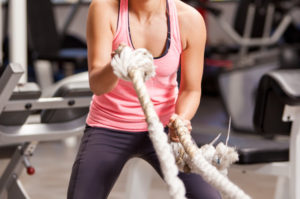
Do you ever rest on purpose or just work out everyday
Which do you answer?
“A rest day is important for recovery for subsequent training sessions,” said Dr. Ramires Tibana, lead author of the study from the Catholic University of Brasilia, which was recently published in the online journal Frontiers in Physiology.
After examining a group of experienced CrossFit participants perform workouts such as kettle bells, tire flipping and ring pull-ups, researchers found that two consecutive days of the popular high-intensity workouts triggered a strong metabolic response and reduced the levels of anti-inflammatory cytokines, proteins produced by white blood cells.
Lack of rest suppresses normal immune function — potentially causing athlete’s fatigue, physiological stress and even illness, the researchers concluded.
“For non-athlete subjects who want to improve their health and quality of life through CrossFit training, we recommend that they decrease their training volume after two consecutive days of high intensity training to prevent possible immunosuppression,” Tibana said. “Other alternative recovery techniques are regenerative training (with low intensity and volume), MASSAGE and cryotherapy.”
by Chris Perez , NY POST September 5, 2016 | 3:11pm
To read the research click here…….
Most athletes can testify to the pain-relieving, recovery-promoting effects of massage. Now there’s a scientific basis that supports booking a session with a massage therapist: On the cellular level massage reduces inflammation and promotes the growth of new mitochondria in skeletal muscle. The research, involving scientists from the Buck Institute for Research on Aging and McMaster University in Hamilton Ontario appears in the February 1st online edition of Science Translational Medicine.
From an early age, we learn that the touch of a hand can ease pain. When a toddler bangs his knee in a tricycle accident, he’ll instinctively rub the sore spot. Likewise, an office worker with stiff shoulders will probably try to knead them. And if a dancer can’t shake the throbbing pain in her back, she just might schedule an appointment with a massage therapist.
The healing power of a well-placed hand is so apparent that just about every culture in history has used massage to relieve pain. Massage faded into the background with the arrival of modern medicine, but a growing number of people are turning (or returning) to hands-on relief. According to a 2008 survey by the American Massage Therapy Association, about 21 percent of adults had a massage at least once in the last year, and almost 25 percent have used massage therapy at least once for pain relief.
It may be an “alternative treatment,” but massage already has the respect of the medical community. As reported in Rheumatology, more than 70 percent of doctors say that they have referred their patients to massage therapists.
If you’re suffering from pain — brief or chronic — you may want to give massage a try. Minor aches and pains aside, you should have a doctor evaluate you to rule out other causes of pain (especially persistent or acute pain for which there’s no apparent cause); in some cases pain can signal a serious condition, such as cancer or scoliosis. Also, before you climb into the massage chair or lie down on the table, you’ll probably want answers to a few questions.
How does massage ease pain?
Massage seems to ease pain in several different ways. For starters, it can increase blood flow to sore, stiff joints and muscles, which are warmed by the extra circulation. As reported by the National Center for Complementary and Alternative Medicine, animal studies have found that massage also triggers the release of natural painkillers called opioids in the brain. (The report doesn’t explain how scientists massage the animals.) Animal studies also suggest that massage speeds up the flow of oxytocin, a hormone that relaxes muscles and encourages feelings of calmness and contentment. As an aside, oxytocin happens to be the same hormone that flows through women before labor. It relaxes the uterus and helps cement the bond between mother and infant, earning it the nickname “love hormone.” Massage may also change the way the brain senses pain. As Stanford neuroscientist Robert Sapolsky has said, the short, sharp sensations of a good massage can temporarily make the brain forget about other aches.
How effective is massage for pain relief?
There’s little doubt that a good rub-down can ease pain and tightness in stressed, overworked muscles. Now there’s growing evidence that it can also help relieve chronic (long-lasting) pain, especially the lower-back variety. A study of 262 patients published in the Archives of Internal Medicine found that massage was far superior to acupuncture or patient education for relieving back pain. After 10 weeks, 74 percent of patients said massage was “very helpful.” Only 46 percent for those who received acupuncture and about 17 percent of those who read a self-help book had the same response. Massage patients were also four times less likely than other patients to report being bedridden with pain. The authors concluded that “massage might be an effective alternative to conventional medical care for persistent back pain.”
In a true test of its value, massage has even been shown to ease the chronic pain and other miseries suffered by cancer patients. A study of more than 1,200 patients at Memorial Sloan-Kettering Cancer Center published in the Journal of Pain and Symptom Management found that massage reduces symptoms such as anxiety, nausea, and pain by about 50 percent.
All golf enthusiasts look for an edge that can help them train more effectively, lower scores or overcome injuries quickly.
Most golfers will push their body to the limit to achieve greater speed, endurance or power in the swing. All this pushing puts stress on the muscles and requires a great deal of recovery in order to avoid injury and overuse trauma. Golfers have one of the highest risks of injury due to muscle overuse.
Sports Massage for Golf, can increase flexibility, speed recovery time after rigorous practice and decrease your chance of injury allowing you to achieve your true golf potential.
Mayo Clinic Reports:
Research has linked sitting for long periods of time with a number of health concerns, including obesity and metabolic syndrome — a cluster of conditions that includes increased blood pressure, high blood sugar, excess body fat around the waist and abnormal cholesterol levels. Too much sitting also seems to increase the risk of death from cardiovascular disease and cancer.
http://www.mayoclinic.org/healthy-lifestyle/adult-health/expert-answers/sitting/faq-20058005
COLUMBUS, Ohio – Millions of people in the U.S. suffer from knee, hip or back pain, and experts at The Ohio State Wexner Medical Center say dormant butt syndrome (DBS) may be the cause.
Dormant butt syndrome refers to the tightness of the hip flexors and weakness of the gluteal muscles. When gluteal muscles are weak, the muscles and joints around them absorb strain during exercise, often causing hamstring injuries, back pain, hip pain and knee injuries that could lead to surgery.
“The entire body works as a linked system, and a lot of times when people come in with knee or hip injuries, it’s actually because their butt isn’t strong enough,” said Chris Kolba, a physical therapist at Ohio State Wexner Medical Center. “The rear end should act as support for the entire body and as a shock absorber for stress during exercise. But if it’s too weak, other parts of the body take up the slack and often results in injury.”
Kolba coined the term “dormant butt syndrome” related to such injuries, which can be caused by tight hip flexors and can lead to everything from chronic pain in the lower back to injuries to the meniscus, often resulting in knee surgery.
However, DBS isn’t just caused by those who exercise improperly.
“It’s actually caused quite often by inactivity and the way we sleep,” Kolba said. “Sitting for periods throughout the day weakens the gluteal muscles and puts strain on other parts of our core, as does sleeping in the fetal position.”
Kolba says stretching, making a point to stand and walk as often as possible throughout the day and adding exercise to strengthen the gluteal muscles can help you avoid pain and injury in other parts of the middle to lower body.
Like a finely tuned sports car, athletes need to be in top physical form to excel in their sport. This requires regularly scheduled proactive maintenance, as you ramp up training.
The best way to help athletes perform is an effective massage maintenance program. Working together to decide on combined treatments depends on muscles usage and activity levels on any given training day.
Focusing in on particular muscle systems and working specific tissues goes a long way toward building optimal conditioning and the prevention of strain and injury. The objective is to help the athlete reach optimal performance through injury-free training.